How Wachter Scaled their Team with Planhat
Wachter
Wachter
1001-5000 Employees
Enterprise
1001-5000 Employees
Enterprise
Headquarters
Lenexa, KS
Headquarters
Lenexa, KS
Switched to Planhat
2023
Switched to Planhat
2023
HighlightED Processes
Wachter is a 95-year-old large-scale solutions integrator—1,800 people, 14 offices across the United States, servicing IT projects across North America. Customer relationships were already there, but the team needed a way to turn scattered account knowledge into a program leadership could scale, measure and ultimately justify.
Wachter is a 95-year-old large-scale solutions integrator—1,800 people, 14 offices across the United States, servicing IT projects across North America. Customer relationships were already there, but the team needed a way to turn scattered account knowledge into a program leadership could scale, measure and ultimately justify.
Share
Challenge
When Mike Hurd took over Wachter’s Customer Success department, he had a good team but no game plan. CSMs operated out of spreadsheets, emails, and files stuck on shared drives. To get a read on a client's health, they had to mine for the answer.
Before this, we were not a very data-driven process. It was very gut reaction.”
“
Share
When Mike Hurd took over Wachter’s Customer Success department, he had a good team but no game plan. CSMs operated out of spreadsheets, emails, and files stuck on shared drives. To get a read on a client's health, they had to mine for the answer.
Before this, we were not a very data-driven process. It was very gut reaction.”
“
When Mike Hurd took over Wachter’s Customer Success department, he had a good team but no game plan. CSMs operated out of spreadsheets, emails, and files stuck on shared drives. To get a read on a client's health, they had to mine for the answer.
“Before this, we were not a very data-driven process. It was very gut reaction.”
Share
Solution
Solution
Mike ran a rigorous RFP against the top players in the industry. Planhat won. As a technologist, he had a five-point test for any solution he brought in—Flexible, Affordable, Reliable, Manageable, Scalable.
Wachter onboarded in January 2024 and went live in March. The thing Mike kept running into during implementation was that no matter how unusual the request, the answer was never no.
No matter what odd situation I've thrown at Planhat they've had to solve for that—they've addressed my needs, whether it was tracking job financials or just turning the model a little bit from the license model and calling it jobs, which is what we are focused on.”
“
Share
Mike ran a rigorous RFP against the top players in the industry. Planhat won. As a technologist, he had a five-point test for any solution he brought in—Flexible, Affordable, Reliable, Manageable, Scalable.
Wachter onboarded in January 2024 and went live in March. The thing Mike kept running into during implementation was that no matter how unusual the request, the answer was never no.
No matter what odd situation I've thrown at Planhat they've had to solve for that—they've addressed my needs, whether it was tracking job financials or just turning the model a little bit from the license model and calling it jobs, which is what we are focused on.”
“
Mike ran a rigorous RFP against the top players in the industry. Planhat won. As a technologist, he had a five-point test for any solution he brought in—Flexible, Affordable, Reliable, Manageable, Scalable.
Wachter onboarded in January 2024 and went live in March. The thing Mike kept running into during implementation was that no matter how unusual the request, the answer was never no.
“No matter what odd situation I've thrown at Planhat they've had to solve for that—they've addressed my needs, whether it was tracking job financials or just turning the model a little bit from the license model and calling it jobs, which is what we are focused on.”
Share

request a demo
Meet your new system of action
Book a 30-minute call to discover why Planhat is the #1 platform for capturing demand, converting revenue and compounding customer value — from pipeline to lifetime.
request a demo
Meet your new system of action
Book a 30-minute call to discover why Planhat is the #1 platform for capturing demand, converting revenue and compounding customer value — from pipeline to lifetime.
request a demo
Meet your new system of action
Book a 30-minute call to discover why Planhat is the #1 platform for capturing demand, converting revenue and compounding customer value — from pipeline to lifetime.
Outcomes
Outcomes
Planhat is a flexible, powerful solution that I know we can grow with. And actually, I underestimated it by a lot.”
“
Share
Planhat is a flexible, powerful solution that I know we can grow with. And actually, I underestimated it by a lot.”
“
“Planhat is a flexible, powerful solution that I know we can grow with. And actually, I underestimated it by a lot.”
Data flows in, aggregates, and calculates automatically. Gut feel still has a place—Mike captures it deliberately as the CSM Score, weighted into the overall health score—but it now sits alongside dozens of other factors the team didn't have access to before.
Now there's so many other facets that we can calculate into the customer health score that before just weren't available to us.”
“

[
]
A Flexible, Powerful, Scalable Solution
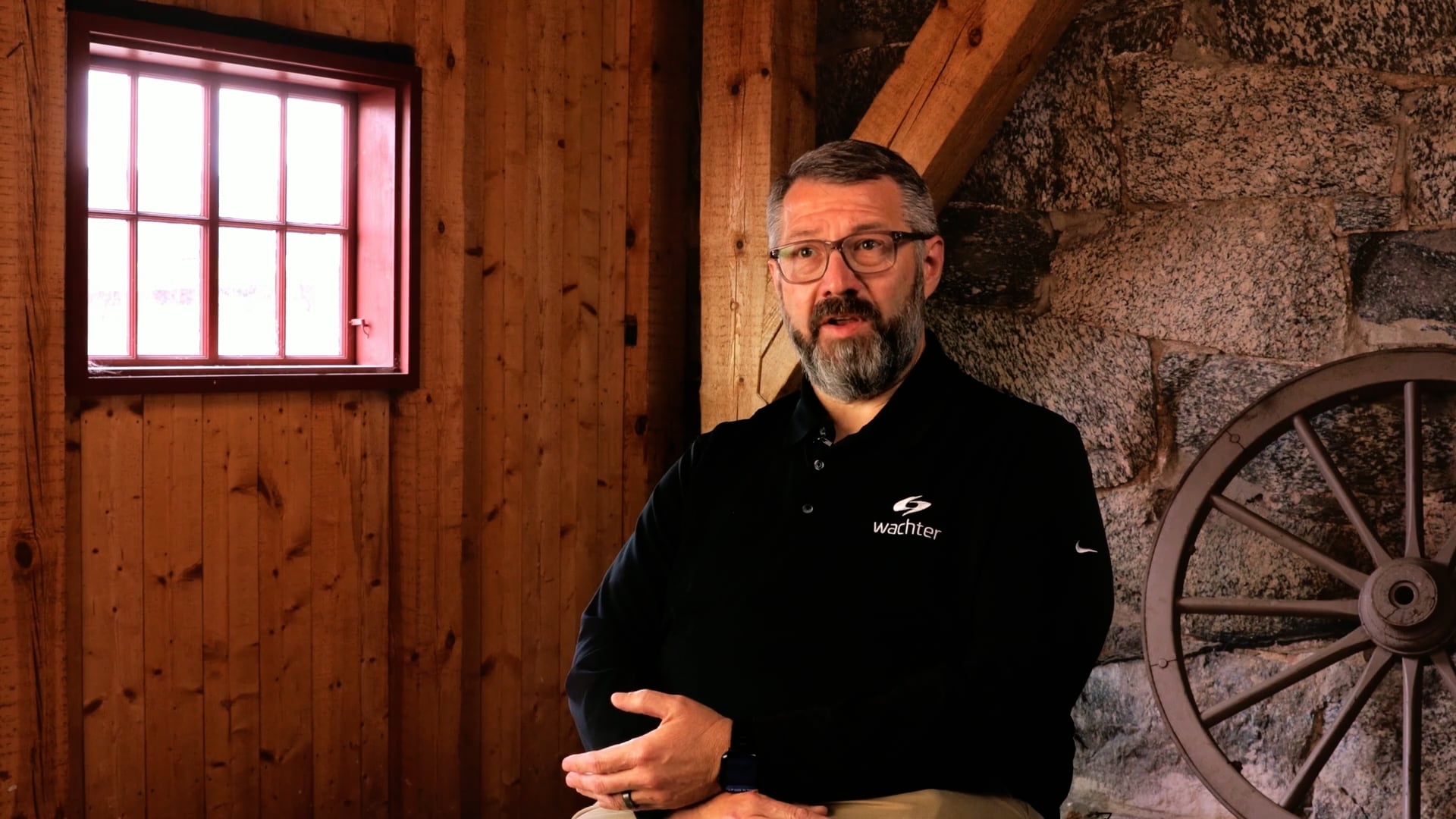
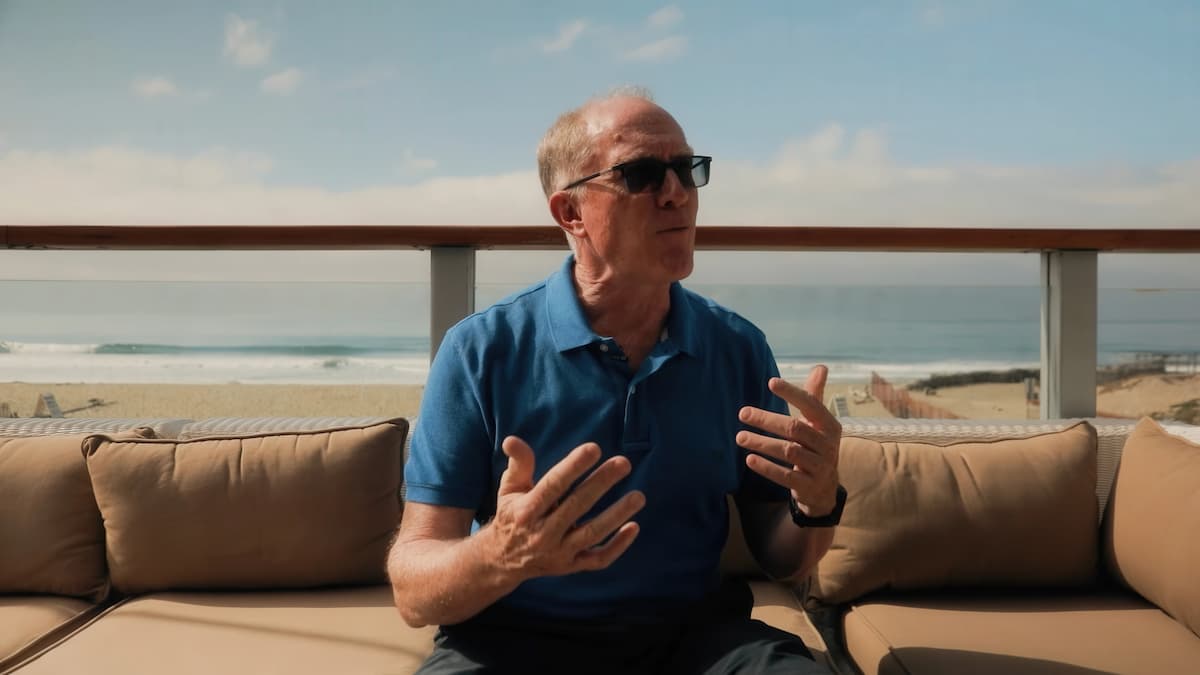
Director of Customer Success at large-scale solutions integrator, Wachter, shares why he chose to build with Planhat and how the platform has empowered his team.

Data flows in, aggregates, and calculates automatically. Gut feel still has a place—Mike captures it deliberately as the CSM Score, weighted into the overall health score—but it now sits alongside dozens of other factors the team didn't have access to before.
Now there's so many other facets that we can calculate into the customer health score that before just weren't available to us.”
“
[
]
A Flexible, Powerful, Scalable Solution
Director of Customer Success at large-scale solutions integrator, Wachter, shares why he chose to build with Planhat and how the platform has empowered his team.
Data flows in, aggregates, and calculates automatically. Gut feel still has a place—Mike captures it deliberately as the CSM Score, weighted into the overall health score—but it now sits alongside dozens of other factors the team didn't have access to before.
Now there's so many other facets that we can calculate into the customer health score that before just weren't available to us.”
“
[
]
A Flexible, Powerful, Scalable Solution
Director of Customer Success at large-scale solutions integrator, Wachter, shares why he chose to build with Planhat and how the platform has empowered his team.
Planhat’s integrations mean that every meeting and every email with a client is automatically logged. If a CSM is out, anyone can step in, and act on full context.
That source of truth is right there and accessible at any moment.”
“
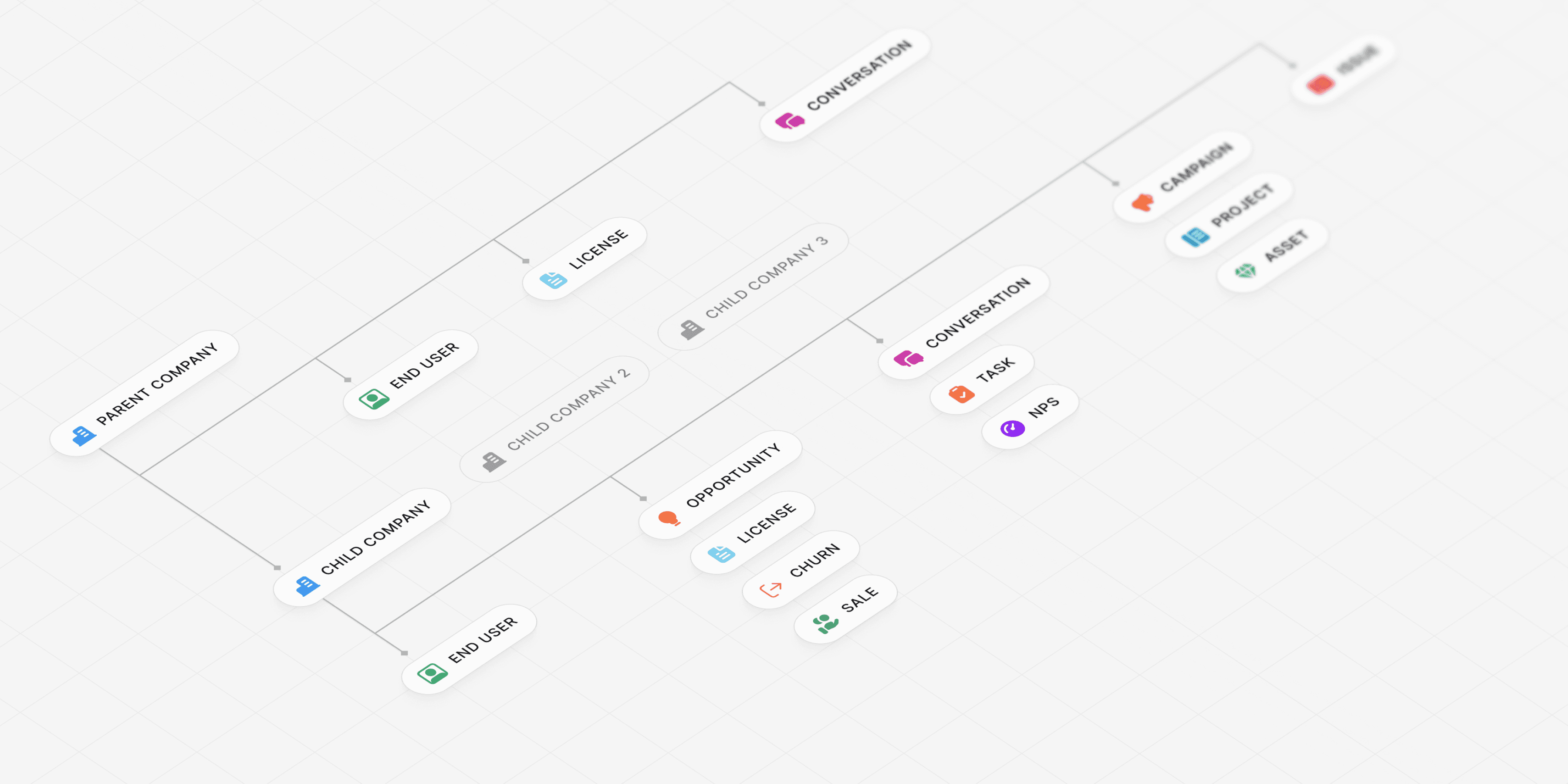
Planhat’s integrations mean that every meeting and every email with a client is automatically logged. If a CSM is out, anyone can step in, and act on full context.
That source of truth is right there and accessible at any moment.”
“
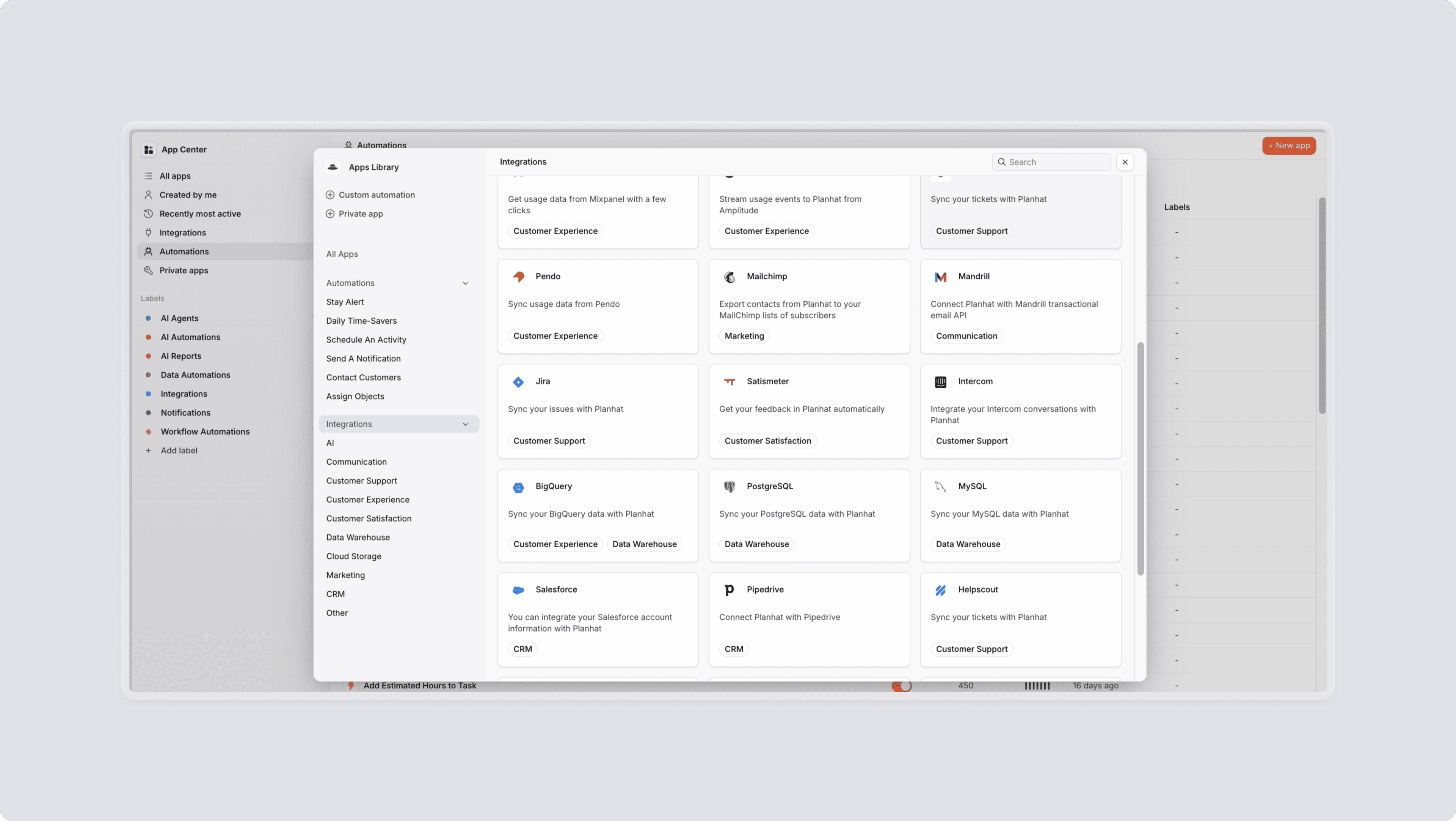
Planhat’s integrations mean that every meeting and every email with a client is automatically logged. If a CSM is out, anyone can step in, and act on full context.
That source of truth is right there and accessible at any moment.”
“
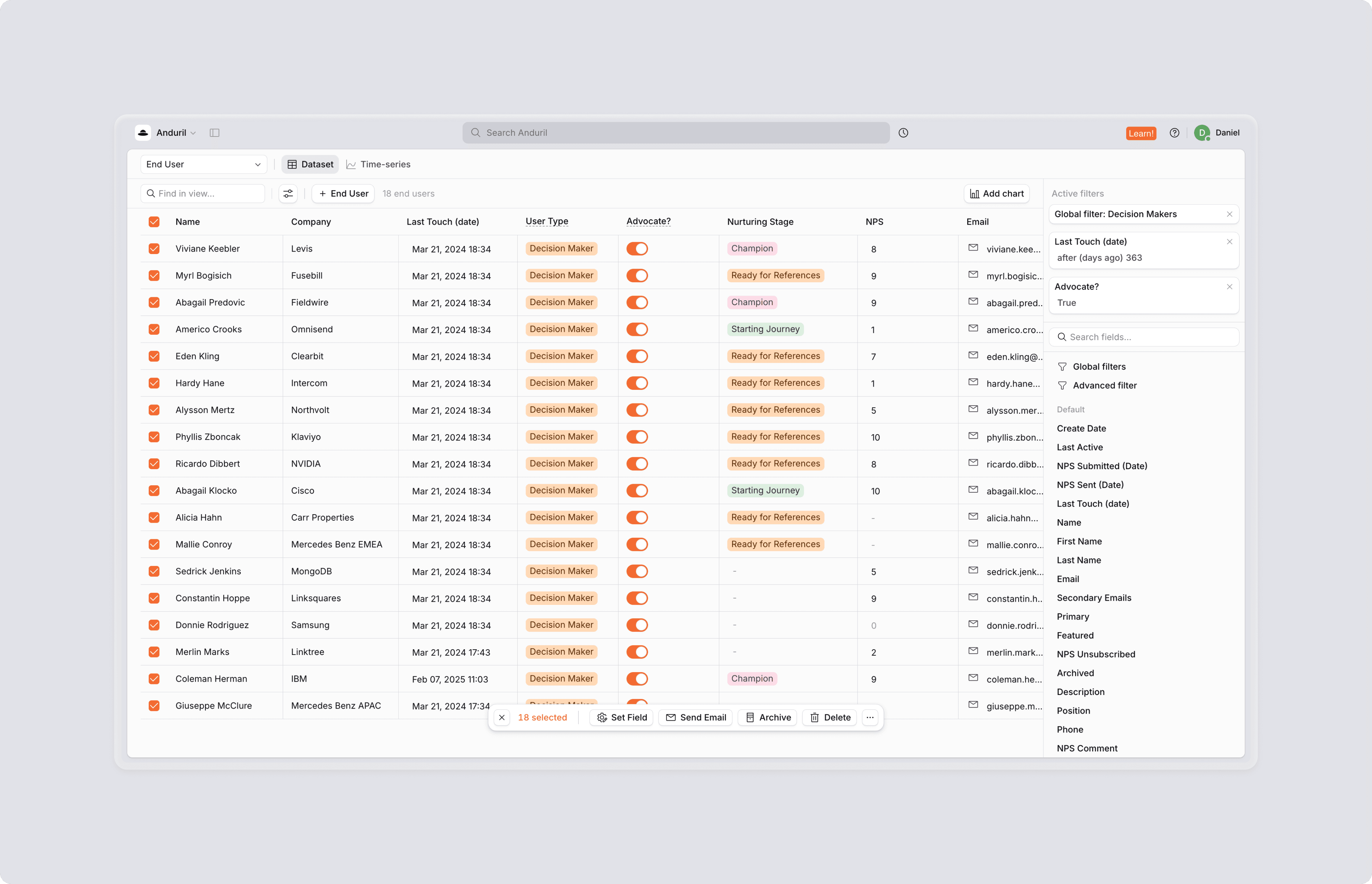
Showing Planhat to executives became the case for expanding the function. Leadership could finally see what the team was producing, and that visibility unlocked the headcount Mike had been arguing for.
Planhat has just reinforced the program and has allowed me to expand it much faster than I even dreamed.”
“
[
]
Unparalleled Visibility
Director of Customer Success at large-scale solutions integrator, Wachter, shares why he chose to build with Planhat and how the platform has empowered his team.

Showing Planhat to executives became the case for expanding the function. Leadership could finally see what the team was producing, and that visibility unlocked the headcount Mike had been arguing for.
Planhat has just reinforced the program and has allowed me to expand it much faster than I even dreamed.”
“
[
]
Unparalleled Visibility
Director of Customer Success at large-scale solutions integrator, Wachter, shares why he chose to build with Planhat and how the platform has empowered his team.
Showing Planhat to executives became the case for expanding the function. Leadership could finally see what the team was producing, and that visibility unlocked the headcount Mike had been arguing for.
Planhat has just reinforced the program and has allowed me to expand it much faster than I even dreamed.”
“
[
]
Unparalleled Visibility
Director of Customer Success at large-scale solutions integrator, Wachter, shares why he chose to build with Planhat and how the platform has empowered his team.
Wachter’s CS team used to rely on gut feel, spreadsheets and shared-drive files to understand customers. Planhat turned that into a data-driven program with health scores, logged activity and executive visibility—helping leadership see the work and expand the team faster than expected.
Share
Wachter’s CS team used to rely on gut feel, spreadsheets and shared-drive files to understand customers. Planhat turned that into a data-driven program with health scores, logged activity and executive visibility—helping leadership see the work and expand the team faster than expected.
Share
Wachter’s CS team used to rely on gut feel, spreadsheets and shared-drive files to understand customers. Planhat turned that into a data-driven program with health scores, logged activity and executive visibility—helping leadership see the work and expand the team faster than expected.
Share
request a demo
Meet your new system of action
Book a 30-minute call to discover why Planhat is the #1 platform for capturing demand, converting revenue and compounding customer value — from pipeline to lifetime.
request a demo
Meet your new system of action
Book a 30-minute call to discover why Planhat is the #1 platform for capturing demand, converting revenue and compounding customer value — from pipeline to lifetime.
request a demo
Meet your new system of action
Book a 30-minute call to discover why Planhat is the #1 platform for capturing demand, converting revenue and compounding customer value — from pipeline to lifetime.