01
Purpose-built lifecycle
02
Collaborative portals
03
One platform
Planhat
Attio
In Attio, teams must typically build Customer Success processes from the ground up — dedicating significant RevOps or engineering hours to simulate health scoring, renewal alerts, and onboarding tracking. Planhat includes pre-built, best-practice data models that allow teams to focus on executing strategy, not building software infrastructure.
Because Attio lacks native onboarding tools and shared customer portals, teams are typically forced to license third-party project management and support software. Planhat's end-to-end architecture consolidates these capabilities into a single platform — eliminating middleware costs and fragile data pipelines.



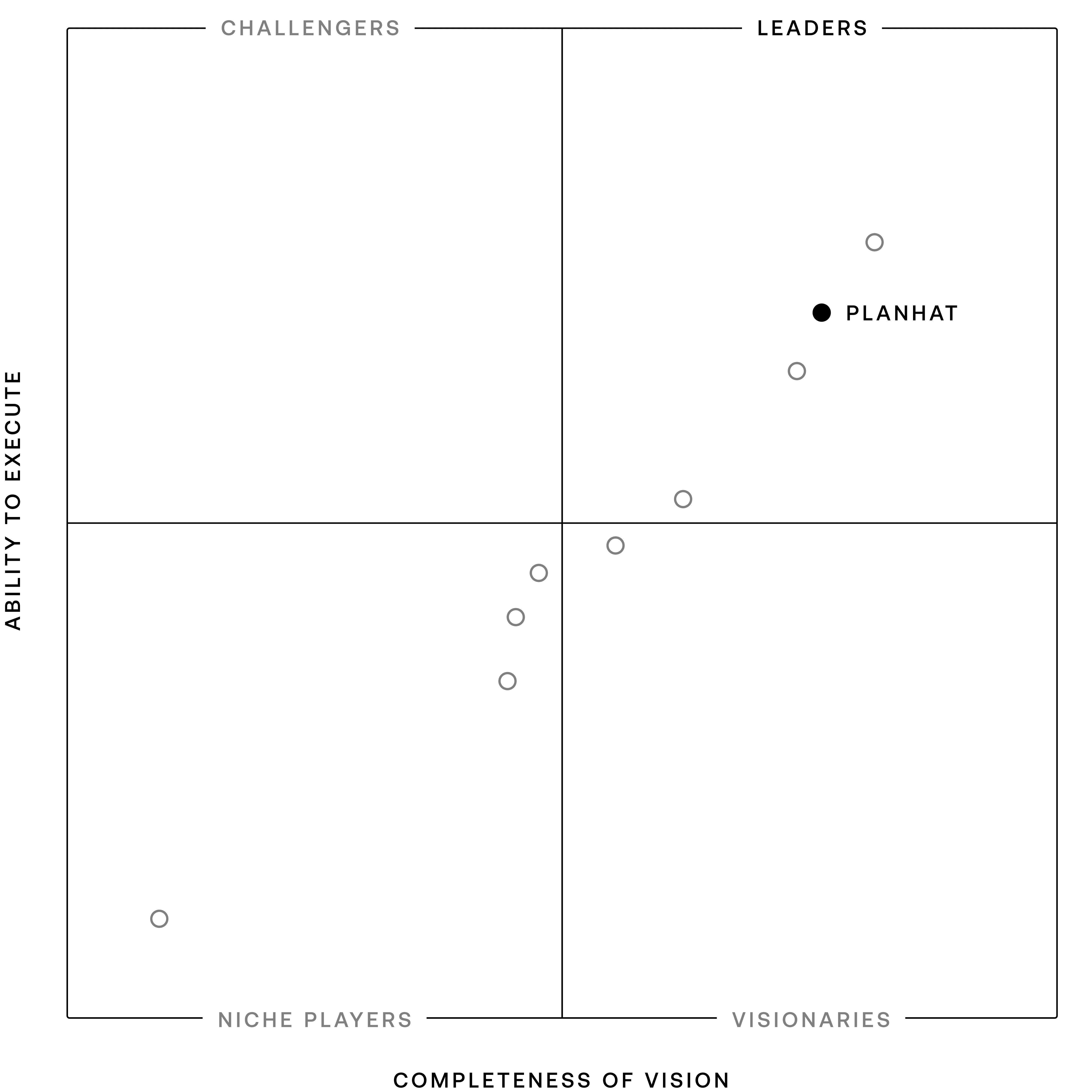
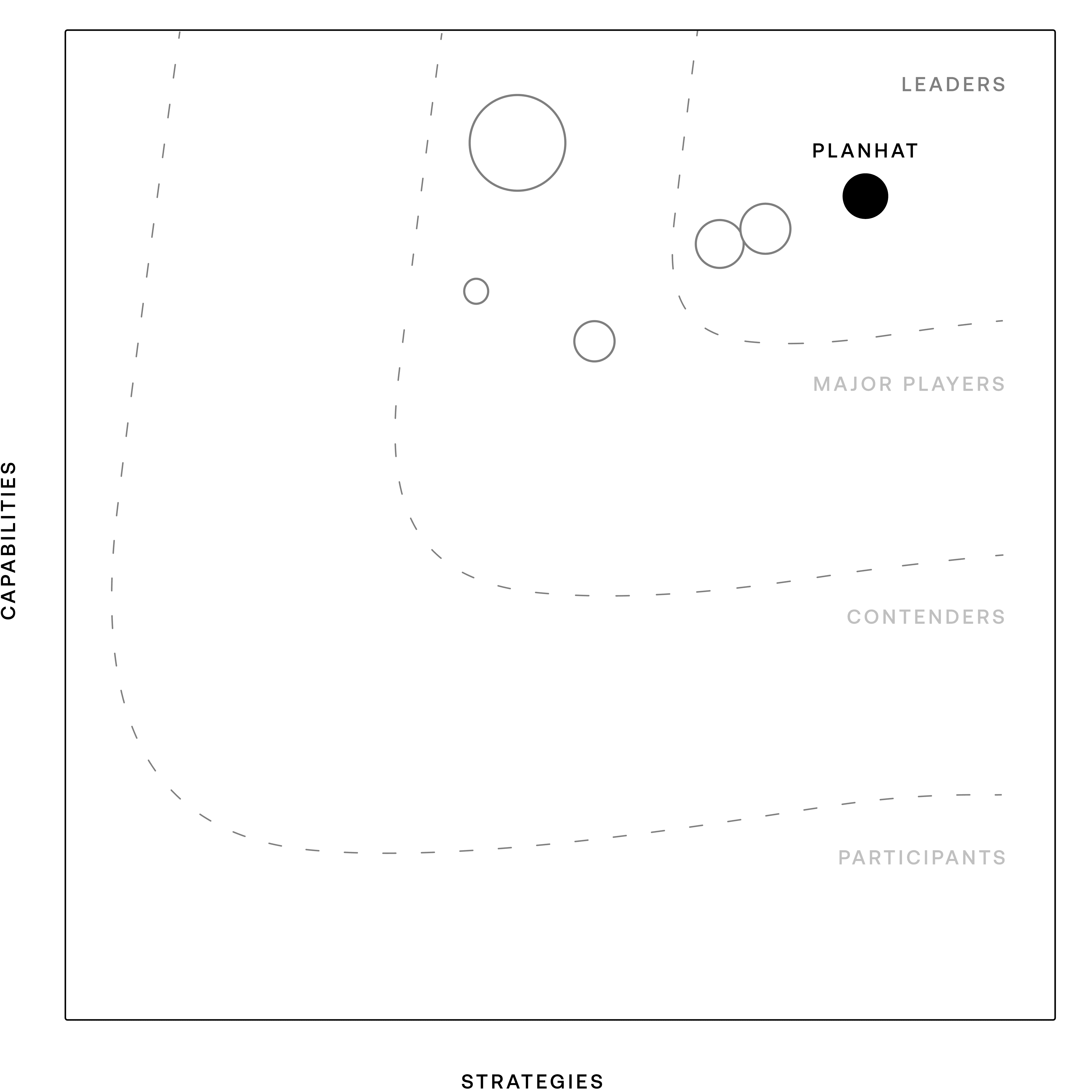
Planhat is recognised by Gartner as a global Leader in Enterprise-ready Customer Success Management Platforms with purpose-built full-lifecycle architecture. Since Attio falls firmly into the SMB sales CRM category, users consistently report that managing complex B2B renewals and product telemetry is particularly challenging.
Planhat users consistently highlight a unified architecture that eliminates the need to purchase separate software for onboarding, customer portals, and BI product analytics — reducing operational friction and lowering total cost of ownership.
When you're moving beyond founder-led sales, your tech stack needs to do more than track contacts. Planhat gives you a focused post-sale motion from day one, with the depth to expand into Account Management, Professional Services, and RevOps when you're ready.
If you're outgrowing Attio's blank-canvas approach and spending engineering hours building Customer Success workflows internally, Planhat lets you consolidate into a purpose-built platform — without starting over.
Planhat is top-rated for scalability on Gartner — supporting complex global teams, multi-product hierarchies, and billions of time-series records, without the admin overhead.
01
Alignment on goals, success criteria, integrations, and your existing Gainsight structure — Company and Relationship objects, health score logic, playbooks, and user roles — to design the optimal Planhat environment from the outset.
02
Field-by-field mapping from Gainsight to Planhat objects. Your full history — Timeline activities, health score trends, usage logs, and Notes — migrated via flat file import, API, or native integration so context is preserved from day one.
03
Workspace layouts, dashboards, health scores, user roles, and permissions configured to your specifications. Your Rules Engine logic converted into Planhat's visual Automations — no custom code required. Branded Customer Portals available for client-facing deployment.
04
Migrated data, Health Score logic, workflows and Agents are validated with your team before launch. Pilot users give feedback before go-live.
05
Rollout follows a tried-and-tested induction with short user training. Teams start managing accounts in Planhat right away, with ongoing training and a free Power User Certification program for admins.
Which platform is faster to implement?
Planhat goes live in under 8 weeks on average, managed by your own Ops or GTM teams. No specialist admin, no mandatory consulting. Attio is fast to set up for a basic sales pipeline, but building out post-sale workflows typically requires significant internal engineering time and separate tooling.
When do organisations typically switch from Attio?
Planhat is purpose-built for the moment organisations transition from early-stage startups to scaling revenue teams; with native health scoring, shared external portals, and complex lifecycle automation. Conversely, teams typically leave Attio when they realise the flexible database lacks these capabilities and the cost of building them internally becomes unsustainable.
Does Planhat include sales pipeline management?
Yes. Planhat features robust opportunity management, pipeline tracking, and revenue forecasting, allowing sales teams to drive the entire pre-sale process natively within the platform, alongside post-sale workflows in a single system.
Which offers better customer collaboration?
Planhat provides real-time Customer Portals — collaborative micro-sites with vanity URLs — where customers access and collaborate around Success Plans, KPIs, and tasks directly, as if they were colleagues. Conversely, Attio is strictly an internal tool, with customer communication limited to email tracking.
How does Planhat's AI compare to Attio's?
Planhat's AI is embedded natively through health scoring, account summaries, data enrichment, and agentic workflows — including an MCP server for custom LLM integrations. Conversely, Attio's AI capabilities are primarily focused on contact data enrichment and basic automations, without a lifecycle intelligence layer.
Can Planhat handle complex organisational hierarchies?
Planhat's graph data model allows intricate relationships between parent companies, subsidiaries, agencies, and channel partners without limitations. Conversely, Attio's data model is best suited for flat organisational structures and typically struggles with complex relationship mapping at scale.
Which offers better ROI at scale?
Planhat's architecture consolidates Sales, Customer Success, Account Management, and Professional Services into a single platform, eliminating the “builder's tax” of internal engineering hours and third-party tool costs. Conversely, Attio's initial productivity typically plateaus as teams are forced to reinvest in separate Customer Success tools and BI platforms.