01
One platform beyond post-sale
02
Forecast renewals by product
03
Run by your team, faster to value
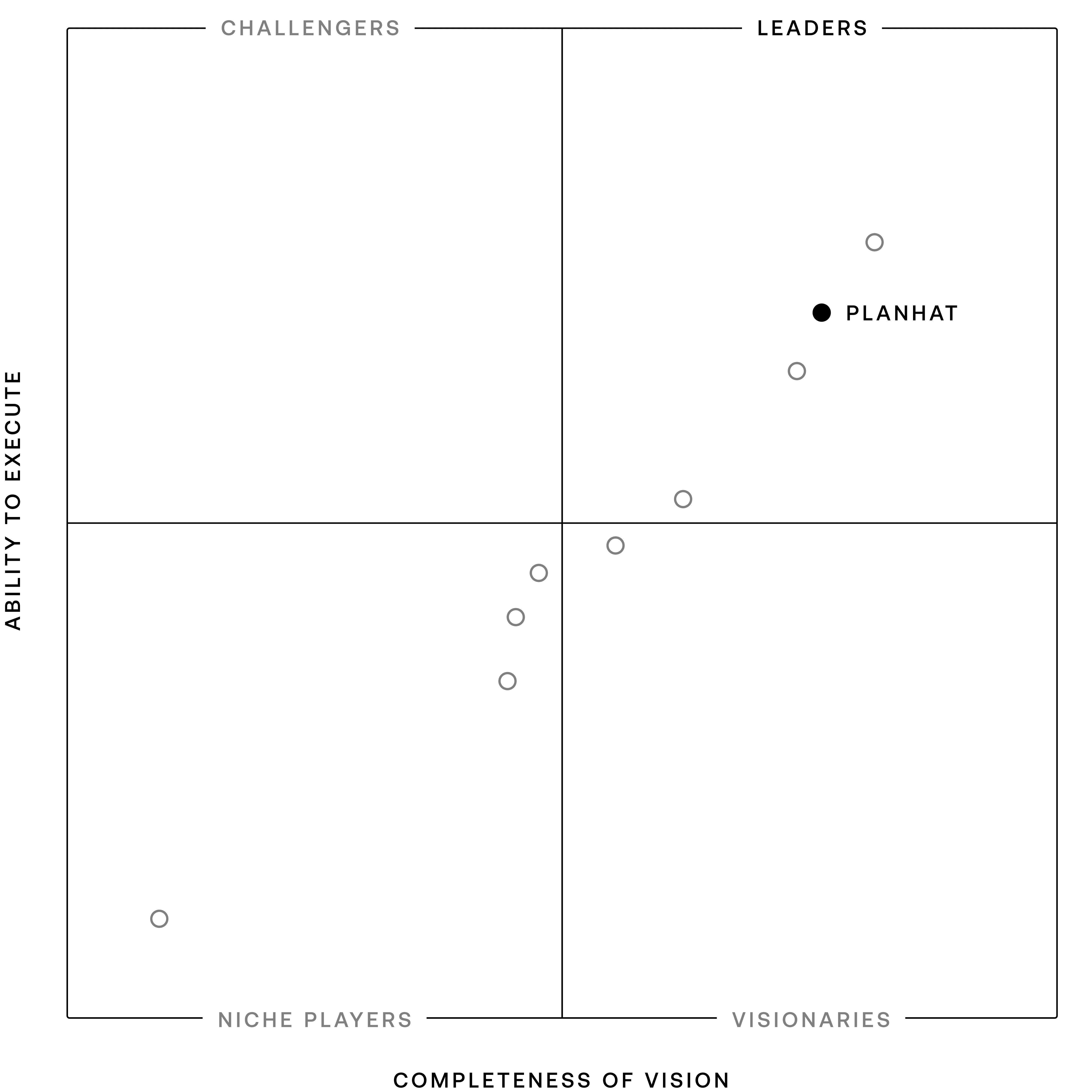
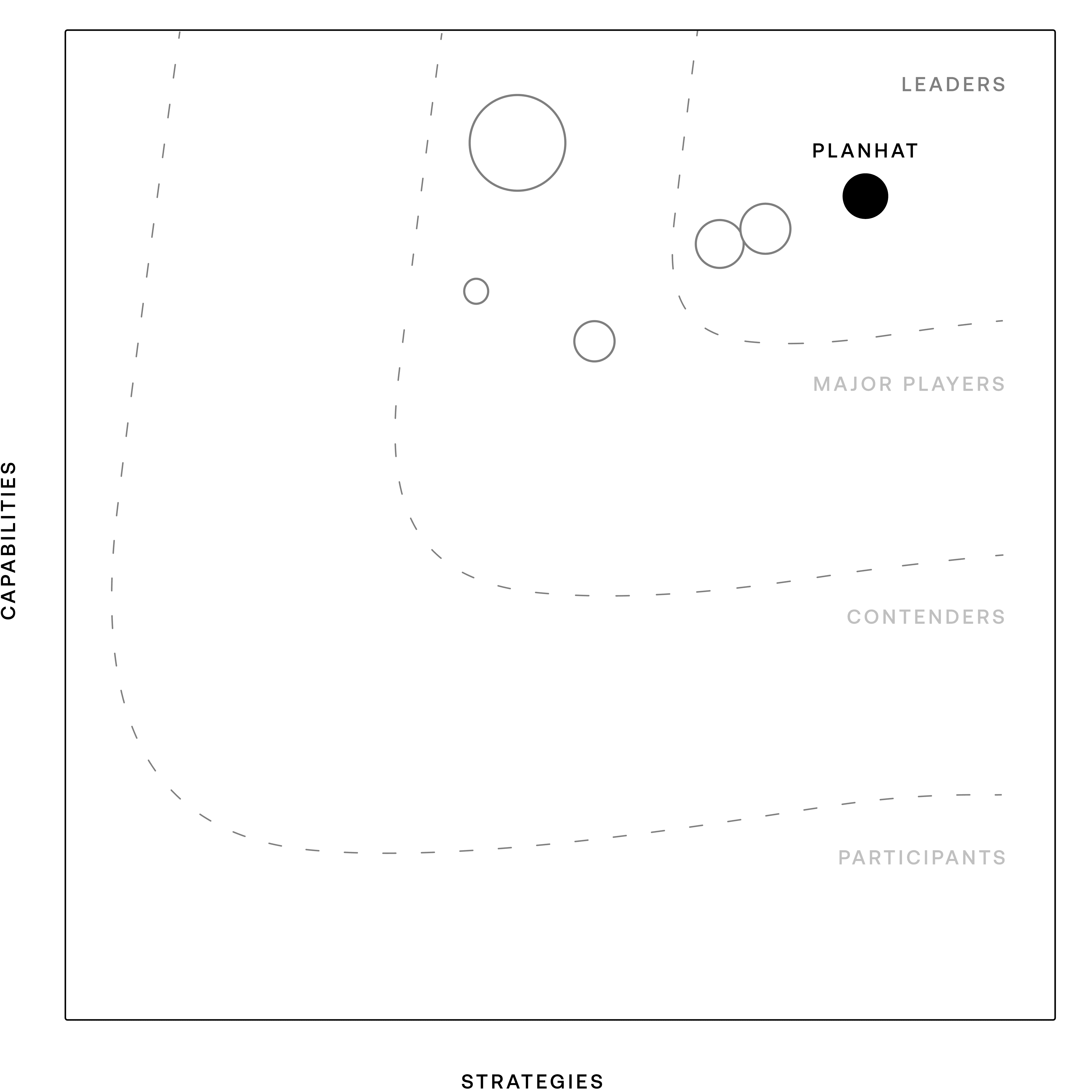
Planhat
Gainsight
Product Experience, Customer Communities and Skilljar are priced separately from Gainsight CS, and Staircase AI is a distinct product. In the Essentials package, Renewal Center, multi-source text analytics, Sponsor Tracking, Company Intelligence, Business Modeler and a sandbox are add-ons for an additional fee, and Renewal Prediction needs Renewal Center. Customer records and Viewer+ licenses scale with the number of Full Users. Planhat brings CRM, Customer Success, Professional Services and Customer Portals into one platform.
After go-live, Gainsight’s administrator owns configuration, integrations, workflows and permissions, and Gainsight says the role may be full time. G2 reviewers report an average of five months to implement Gainsight Customer Success, compared with three for Planhat.


On G2, Planhat scores 9.2 for Quality of Support and 8.2 for Ease of Admin, compared with 8.6 and 7.0 for Gainsight Customer Success.
G2 reviewer data lists an average of three months to implement Planhat and 11 months to return on investment, compared with five months and 18 months for Gainsight Customer Success.
(Source: G2 comparison, October 2026. Implementation time: 57 Planhat and 13 Gainsight CS responses. Time to ROI: 52 Planhat and 10 Gainsight CS responses.)
Teams moving from Gainsight can keep Salesforce or HubSpot for their sales team and run Customer Success in Planhat, or bring CRM, Customer Success and Professional Services into one platform.
Planhat’s Salesforce and HubSpot integrations sync data in one or both directions, with the direction set per object. The Snowflake integration syncs CRM data both ways and brings in usage data as often as every five minutes.
Run deals, renewals, Health Scores and implementation projects on one set of customer records, with Pi using the customer context available to each user.
Planhat is ISO/IEC 27001:2022 certified and has a SOC 2 Type 2 report. Pi works within each user’s permissions, every action it takes is recorded in the system logs, Agents can include human approval steps, and admins manage AI settings in the AI Governance Hub.
01
Planhat’s team works with yours to agree on goals, success criteria and the right migration approach: keep your CRM connected or consolidate onto Planhat. Together they review your Gainsight Scorecards, CTAs, Playbooks, Success Plans, Journey Orchestrator programs and Rules.
02
CRM, usage and support data connect to Planhat through native integrations, spreadsheet imports, incoming webhooks or the API. Your Gainsight data and history are assessed during discovery, and the migration plan defines which data moves over.
03
Health Score profiles, Content Templates, roles and permissions are set up for each team. Your processes are configured in Planhat using Workflows, Sequences and Automations, based on the agreed migration scope. Agents start from templates or a plain-English request to Pi.
04
Migrated data, Health Score logic, workflows and Agents are validated with your team before launch. Pilot users give feedback before go-live.
05
Rollout follows a tried-and-tested induction with short user training. Teams start managing accounts in Planhat right away, with ongoing training and a free Power User Certification program for admins.
What is the best Gainsight alternative?
Planhat. Gainsight is a post-sales platform that runs alongside your CRM, with product experience, community, education and Staircase AI offered as separate products. Planhat brings sales, Customer Success, Professional Services and renewals together on the same customer records, and connects to Salesforce or HubSpot when a team keeps them. Pi, the multiplayer customer agent, works with the customer context each user can access, and your own team configures health, workflows, reporting and Agents. In G2’s product comparison, Planhat has a shorter reported average implementation time and time to ROI than Gainsight Customer Success: three versus five months, and 11 versus 18 months.
What is the main difference between Gainsight and Planhat?
Gainsight describes itself as a broader post-sales platform, built for Customer Success and extended through separate products for product experience, community, education and conversation intelligence. Planhat covers the whole commercial lifecycle on one platform: CRM, Customer Success and Professional Services share the same customer records, so renewals, delivery and expansion work from the same context. Teams can consolidate their core commercial workflows in Planhat while keeping specialized tools connected where needed.
Is Gainsight a CRM?
Gainsight does not describe itself as a CRM. It positions its platform around the post-sales journey and connects to CRMs such as Salesforce and Microsoft Dynamics, syncing CRM data through connectors, and its Renewal Center enriches Salesforce opportunities with Customer Success insights. Planhat includes the CRM itself, with deals, multiple pipelines and forecasting on the same records as Customer Success and Professional Services.
Does Gainsight require Salesforce?
Not always. Gainsight NXT syncs Salesforce data through its connector, and Gainsight’s documentation states that users need a Salesforce license only if they want to access live Salesforce data inside Gainsight. Planhat runs its own CRM, so teams don’t need Salesforce to manage deals and renewals, and teams that keep Salesforce can connect it through two-way sync.
Does Gainsight have AI agents, and how does it compare with Pi?
Yes. Gainsight offers Copilot, which runs on OpenAI models in Azure and can create or update CTAs, Success Plans, tasks and timeline activities. Staircase AI is a separate product, and Agent Studio, Gainsight’s agent workspace, entered beta in October 2026. Pi is available to every Planhat OS user, on every plan. It works with the customer context each user is permitted to access across CRM, Customer Success and Professional Services, works with your team in Sessions, runs scheduled jobs, and builds Agents and Pages from plain English. Every action Pi takes is recorded in the system logs, Pi can connect to tools such as Slack and Google Drive through MCP, and external assistants such as Claude and ChatGPT can connect to Planhat through its MCP server. By default, Planhat uses its own managed models.
How does renewal forecasting compare?
Gainsight’s Renewal Center is included in the Enterprise package and is an add-on in Essentials, and its Renewal Prediction needs Renewal Center. Gainsight’s documentation states that Renewal Center forecasts at the opportunity level, not by product line item, and calculates retention from the opportunity records that exist. Planhat forecasts on deals or on individual line items, lets teams choose which fields to forecast on, and reports Net Revenue Retention by product, on the same records as health, usage and customer conversations.
Is Planhat a CRM tool?
Yes. Planhat is a new generation of CRM: one commercial brain for all your commercial work, with Pi, the multiplayer customer agent, working alongside every commercial team on shared customer context. Sales teams run deals, pipelines and forecasting, Customer Success teams manage health, renewals and expansion, and Professional Services teams run onboarding projects with time tracking and resource planning, all on the same records. That shared context matters, because a renewal needs to know what sales promised and how implementation went. Teams can move their commercial stack onto Planhat OS, or deploy Pi alongside their current CRM, with Planhat OS at the center and two-way sync to Salesforce or HubSpot.
Is Planhat suitable for enterprise teams?
Yes. Enterprise companies such as 8x8 and Trend Micro run Customer Success on Planhat. Planhat is ISO/IEC 27001:2022 certified and has a SOC 2 Type 2 report. It supports single sign-on through SAML 2.0 with providers such as Okta, Microsoft Entra ID, Google and ADFS, and SCIM 2.0 user provisioning from Okta and Microsoft Entra ID. Roles control which customers each user can see and what they can create, view, update, delete or export, down to the field, and the Logs Explorer records every change to every record, with who made it and where it came from. Pi’s access can be narrowed further in the AI Governance Hub, and it never exceeds the user’s own permissions.
Can Planhat replace both Salesforce and Gainsight?
Yes. Planhat includes the CRM, with deals, multiple pipelines and forecasting, alongside Customer Success, with Health Scores, renewals and Workflows, and Professional Services, with time tracking and resource planning, on one set of customer records. Teams that prefer to keep Salesforce for sales can connect it through two-way sync and move Customer Success to Planhat.
Can Planhat sync with Salesforce, HubSpot or a data warehouse?
Yes. Planhat’s Salesforce integration syncs standard and custom objects, with the direction set per configured mapping, and its HubSpot integration syncs in one or both directions per object. The Snowflake integration syncs CRM data both ways on an hourly basis, with the direction set per model and field, and brings in usage data every five, 10, 30 or 60 minutes, or daily.
Is Planhat hard to run without a dedicated admin?
Planhat is configurable by design. Teams start from templates, and Pi builds Agents and Pages from plain-English requests. On G2, Planhat scores 8.2 for Ease of Admin and 7.5 for Ease of Setup, compared with 7.0 and 6.7 for Gainsight Customer Success.
How do I migrate from Gainsight without losing historical data?
Your Gainsight data and history are assessed during discovery, and the migration plan defines which data moves over. Data comes into Planhat through native integrations, spreadsheet imports, incoming webhooks or the API. Health Score logic, playbooks and journeys are then configured in Planhat based on the agreed migration scope.
How long does it take to migrate from Gainsight?
The timeline depends on the migration scope agreed during discovery: the data, integrations and processes you move. On average, Planhat’s Customer Success deployments take less than six weeks, and Planhat’s forward deployed engineering offering can shorten deployment further. G2 reviewer data lists an average of three months to implement Planhat, compared with five months for Gainsight Customer Success; this is a product benchmark, not a migration estimate.
What affects the cost of running Gainsight?
Gainsight’s public pricing page does not list subscription prices for Gainsight CS. It lists Essentials and Enterprise packages, with Product Experience, Customer Communities and Skilljar priced separately. In Essentials, Renewal Center, multi-source text analytics, Sponsor Tracking, Company Intelligence, Business Modeler and a sandbox are add-ons for an additional fee, and customer records and Viewer+ licenses scale with the number of Full Users. Administration time also counts, since Gainsight’s administrator role can be full time. Planhat brings CRM, Customer Success, Professional Services and Customer Portals into one platform.