01
End-to-end, not sales-only
02
Agentic AI, not basic automation
03
One platform
Planhat
Pipedrive
As teams grow, Pipedrive typically requires purchasing multiple tools connected through middleware like Zapier or expensive custom integrations. Planhat's end-to-end architecture eliminates these integration costs entirely.
In Pipedrive, sales teams typically lack visibility into customer health, product adoption, or support escalations — leading to missed upsell and cross-sell opportunities. Planhat puts real-time usage and health data directly in front of commercial teams, ensuring no revenue opportunity is missed.



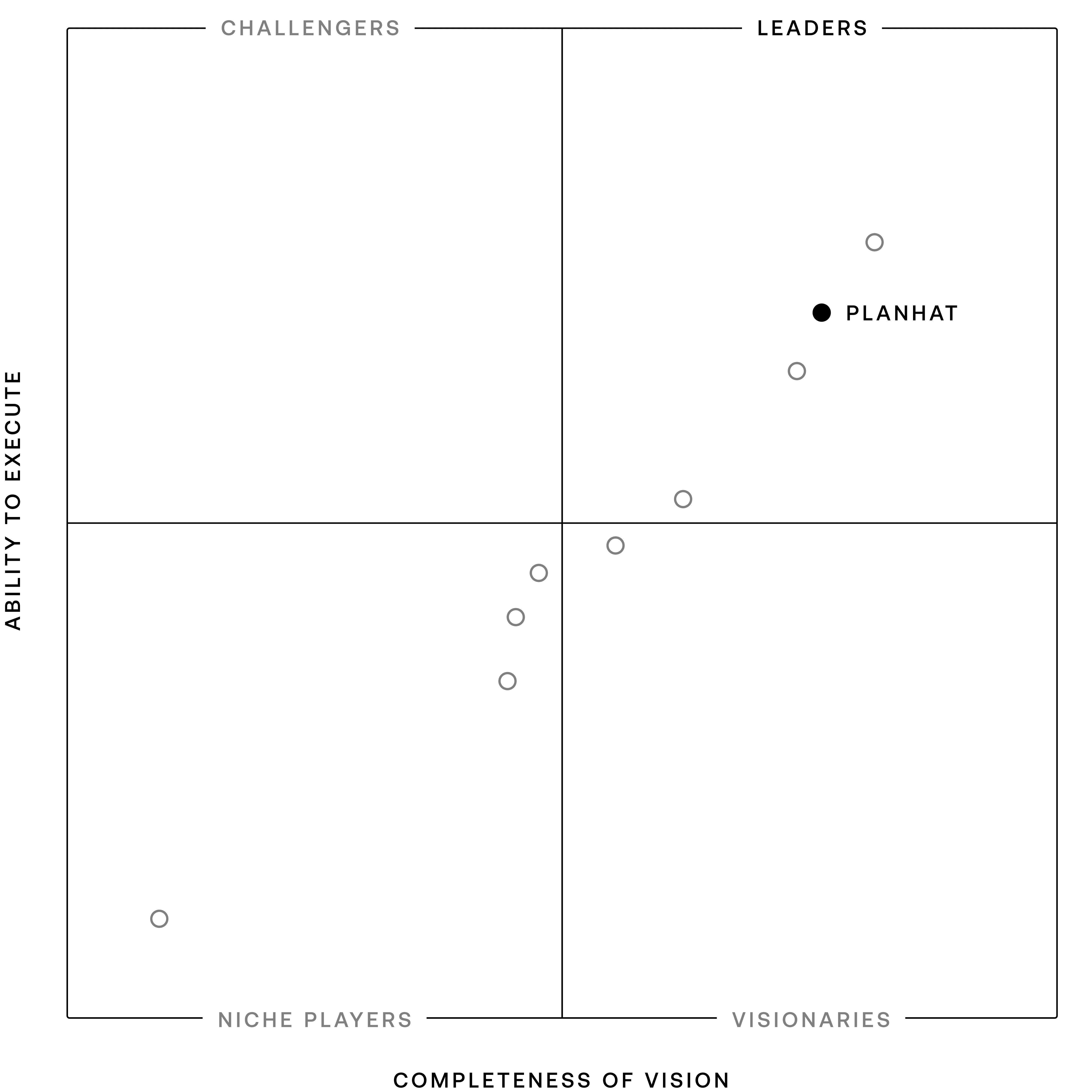
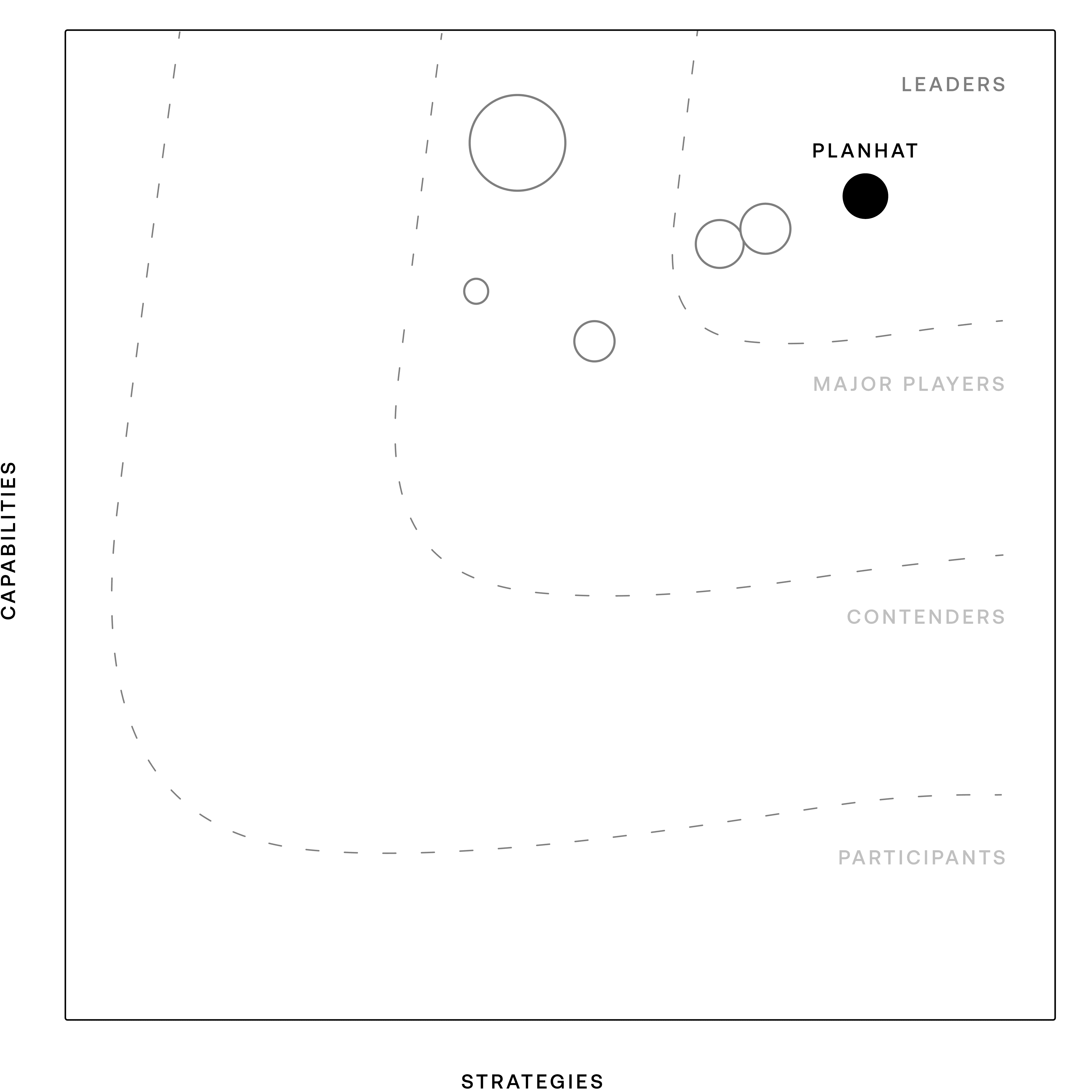
Organisations typically migrate away from Pipedrive when their revenue model requires a deep focus on retention and expansion. Planhat is recognised by Gartner as a Leader — proving its ability to seamlessly integrate Sales and Customer Success to prevent churn.
Planhat users consistently highlight a unified architecture that eliminates the need to stitch together a sales CRM, an onboarding tool, and a customer support dashboard — delivering enterprise-grade power without a fragmented user experience.
When you're moving beyond founder-led sales, your tech stack needs to cover more than the pipeline. Planhat gives you sales execution from day one, with the depth to expand into Customer Success, Account Management, and RevOps when you're ready.
If you're outgrowing Pipedrive and stitching together separate tools for onboarding, health, and renewals, Planhat lets you consolidate into a single platform — without rebuilding from scratch.
Planhat is top-rated for scalability on Gartner — supporting complex global teams, multi-product hierarchies, and billions of time-series records, without the admin overhead.

01
Alignment on goals, success criteria, integrations, and your existing Gainsight structure — Company and Relationship objects, health score logic, playbooks, and user roles — to design the optimal Planhat environment from the outset.
02
Field-by-field mapping from Gainsight to Planhat objects. Your full history — Timeline activities, health score trends, usage logs, and Notes — migrated via flat file import, API, or native integration so context is preserved from day one.
03
Workspace layouts, dashboards, health scores, user roles, and permissions configured to your specifications. Your Rules Engine logic converted into Planhat's visual Automations — no custom code required. Branded Customer Portals available for client-facing deployment.
04
Migrated data, Health Score logic, workflows and Agents are validated with your team before launch. Pilot users give feedback before go-live.
05
Rollout follows a tried-and-tested induction with short user training. Teams start managing accounts in Planhat right away, with ongoing training and a free Power User Certification program for admins.
Which platform is faster to implement?
Planhat goes live in under 8 weeks on average, managed by your own Ops or GTM teams — no specialist admin, no mandatory consulting. Pipedrive is very fast to set up for an initial sales funnel, but lacks native post-sale workflows entirely — forcing teams to implement and integrate separate tools.
When do teams typically replace Pipedrive?
Planhat is purpose-built for the moment organisations outgrow a sales-only CRM and need end-to-end go-to-market capabilities in one system. Conversely, teams typically leave Pipedrive when they realise they are managing critical post-sale customer data in disjointed spreadsheets and fragmented tools.
Does Planhat include sales pipeline management?
Yes. Planhat features robust opportunity management, revenue forecasting, and pipeline visualisation — allowing sales teams to drive the entire pre-sale process natively within the platform, alongside post-sale workflows in a single system.
Which offers better customer collaboration?
Planhat provides real-time Customer Portals — collaborative micro-sites with vanity URLs — where customers access and collaborate around Success Plans, KPIs, and tasks directly, as if they were colleagues. Conversely, Pipedrive is strictly an internal tool, with customer communication limited to email tracking and calls.
How does Planhat's AI compare to Pipedrive's?
Planhat's AI is embedded natively through health scoring, account summaries, data enrichment, and agentic workflows — including an MCP server for custom LLM integrations. Conversely, Pipedrive's AI capabilities are primarily limited to simple sales task automation and email scheduling.
How do the platforms handle complex B2B data structures?
Planhat's graph data model allows complex parent/child hierarchies, multi-contract associations, and partner relationships required by mid-market and enterprise organisations. Conversely, Pipedrive relies on a relatively flat account structure suited primarily for small businesses.
Which offers better ROI at scale?
Planhat's architecture consolidates Sales, Customer Success, Account Management, and Professional Services into a single platform — eliminating the software sprawl that drives up total cost of ownership. Conversely, Pipedrive appears inexpensive initially, but organisational costs typically rise as separate Customer Success software, onboarding tools, and BI platforms are bolted on.