The Future of Customer Success in Applied AI
The Future of Customer Success in Applied AI
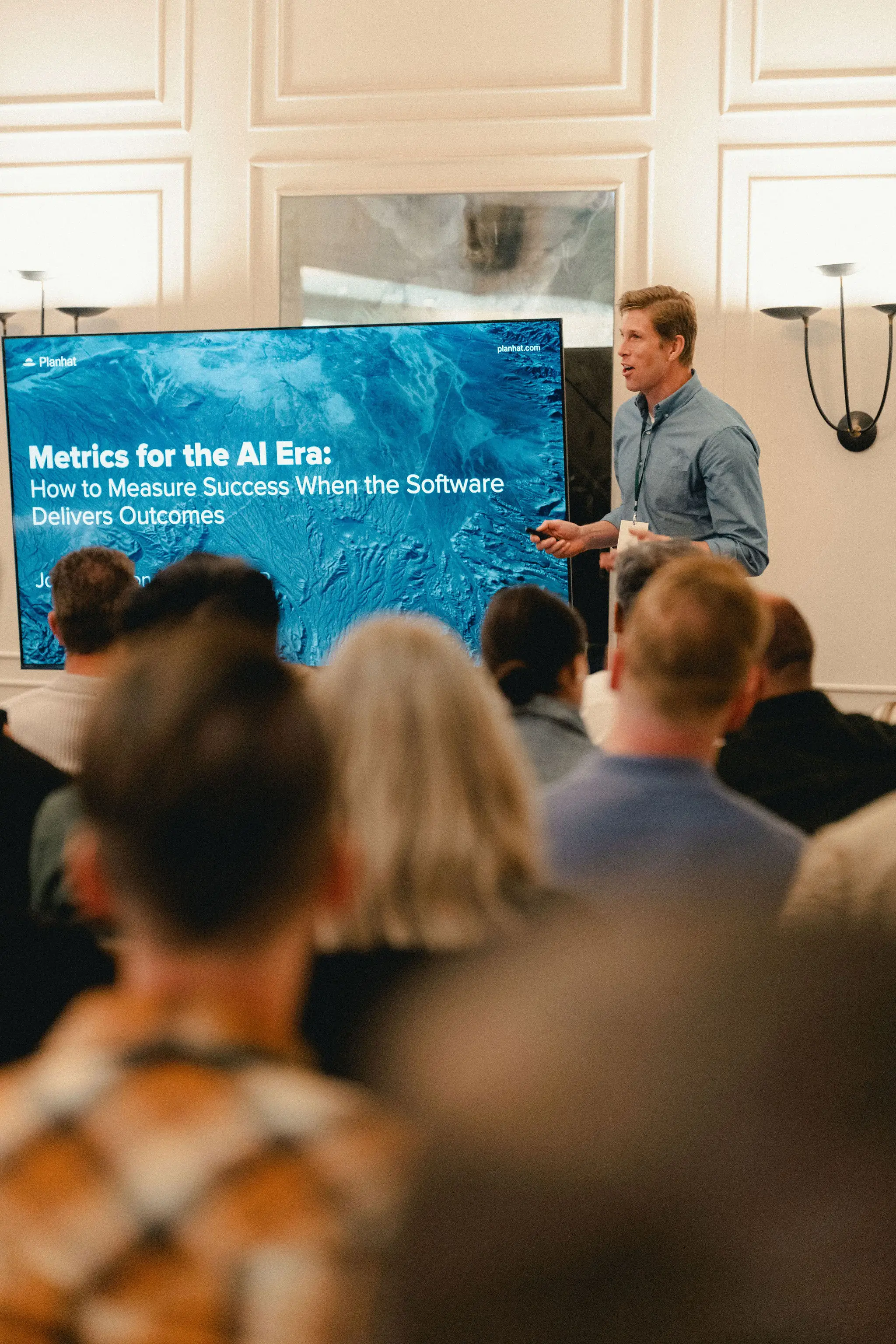
Structural shifts and new architypes—how post-sales is changing in the AI era, and what you can do to stay ahead of the curve.
Share
The changing nature of post-sales work
Demand for customer success managers grew over 700% through Q2 2022. But since then, it has flatlined for four years.
Why is this the case, when software companies have continued to grow over those four years?
The reason becomes clear when you look at the same figures for demand for forward-deployed engineers: 1000% and still climbing.
Post-sale work is still expanding, but it is starting to be carried out by a different role.
Two structural changes in the underlying business model of software are driving the new adaptation: software systems are becoming non-deterministic, and the unit of value is moving from the license to the outcomes the software delivers.
If the hiring data is not convincing enough, we can also see this trend in venture capital flows. Funding into traditional SaaS has flatlined, but funding into applied AI is increasing.
The current generation of customer success leadership is, by selection bias, looking at AI through the lens of the model that produced their careers”
“
The changing nature of post-sales work
Demand for customer success managers grew over 700% through Q2 2022. But since then, it has flatlined for four years.
Why is this the case, when software companies have continued to grow over those four years?
The reason becomes clear when you look at the same figures for demand for forward-deployed engineers: 1000% and still climbing.
Post-sale work is still expanding, but it is starting to be carried out by a different role.
Two structural changes in the underlying business model of software are driving the new adaptation: software systems are becoming non-deterministic, and the unit of value is moving from the license to the outcomes the software delivers.
If the hiring data is not convincing enough, we can also see this trend in venture capital flows. Funding into traditional SaaS has flatlined, but funding into applied AI is increasing.
The current generation of customer success leadership is, by selection bias, looking at AI through the lens of the model that produced their careers”
“
The changing nature of post-sales work
Demand for customer success managers grew over 700% through Q2 2022. But since then, it has flatlined for four years.
Why is this the case, when software companies have continued to grow over those four years?
The reason becomes clear when you look at the same figures for demand for forward-deployed engineers: 1000% and still climbing.
Post-sale work is still expanding, but it is starting to be carried out by a different role.
Two structural changes in the underlying business model of software are driving the new adaptation: software systems are becoming non-deterministic, and the unit of value is moving from the license to the outcomes the software delivers.
If the hiring data is not convincing enough, we can also see this trend in venture capital flows. Funding into traditional SaaS has flatlined, but funding into applied AI is increasing.
“The current generation of customer success leadership is, by selection bias, looking at AI through the lens of the model that produced their careers”
Starting with the past
Customer success has never had a single correct form. It has always been a response — a way of rearranging existing work to solve the commercial challenges of whichever business model was prevailing. There have been dominant archetypes that fit specific business models, but never a universal CS function.
In the SaaS era, customer success existed because the business model put the vendor on the hook for delivering value across an annual contract. Enterprise orchestration roles emerged at companies like Salesforce and HubSpot. Product-led, bottoms-up motions emerged in the PLG era. Consumption-based variants appeared in cloud infrastructure. The function adapted in each case to the model it was serving.
The question now is whether AI represents more of the same, or whether it is producing a new archetype entirely. The evidence points to the latter.
Most chief customer officers have not fully seen this yet because most chief customer officers work in SaaS-era companies (the applied AI companies are too new to have hired one). So the current generation of customer success leadership is, by selection bias, looking at AI through the lens of the model that produced their careers — which is the productivity lens.
Applied AI runs on non-deterministic systems — systems where the same prompt can yield different results. Most of the software industry's experience has been built on deterministic systems, where the same input produces the same output. The skills required to support non-deterministic systems are different.
The problem is that someone has to gather the context and verify the correctness for any business deployment to work — and increasingly, that someone is the vendor.”
“
Starting with the past
Customer success has never had a single correct form. It has always been a response — a way of rearranging existing work to solve the commercial challenges of whichever business model was prevailing. There have been dominant archetypes that fit specific business models, but never a universal CS function.
In the SaaS era, customer success existed because the business model put the vendor on the hook for delivering value across an annual contract. Enterprise orchestration roles emerged at companies like Salesforce and HubSpot. Product-led, bottoms-up motions emerged in the PLG era. Consumption-based variants appeared in cloud infrastructure. The function adapted in each case to the model it was serving.
The question now is whether AI represents more of the same, or whether it is producing a new archetype entirely. The evidence points to the latter.
Most chief customer officers have not fully seen this yet because most chief customer officers work in SaaS-era companies (the applied AI companies are too new to have hired one). So the current generation of customer success leadership is, by selection bias, looking at AI through the lens of the model that produced their careers — which is the productivity lens.
Applied AI runs on non-deterministic systems — systems where the same prompt can yield different results. Most of the software industry's experience has been built on deterministic systems, where the same input produces the same output. The skills required to support non-deterministic systems are different.
The problem is that someone has to gather the context and verify the correctness for any business deployment to work — and increasingly, that someone is the vendor.”
“
Starting with the past
Customer success has never had a single correct form. It has always been a response — a way of rearranging existing work to solve the commercial challenges of whichever business model was prevailing. There have been dominant archetypes that fit specific business models, but never a universal CS function.
In the SaaS era, customer success existed because the business model put the vendor on the hook for delivering value across an annual contract. Enterprise orchestration roles emerged at companies like Salesforce and HubSpot. Product-led, bottoms-up motions emerged in the PLG era. Consumption-based variants appeared in cloud infrastructure. The function adapted in each case to the model it was serving.
The question now is whether AI represents more of the same, or whether it is producing a new archetype entirely. The evidence points to the latter.
Most chief customer officers have not fully seen this yet because most chief customer officers work in SaaS-era companies (the applied AI companies are too new to have hired one). So the current generation of customer success leadership is, by selection bias, looking at AI through the lens of the model that produced their careers — which is the productivity lens.
Applied AI runs on non-deterministic systems — systems where the same prompt can yield different results. Most of the software industry's experience has been built on deterministic systems, where the same input produces the same output. The skills required to support non-deterministic systems are different.
“The problem is that someone has to gather the context and verify the correctness for any business deployment to work — and increasingly, that someone is the vendor.”
Context and correctness
High context and verifiable correctness are the two conditions for AI to function reliably in a business setting. Context is the half that gives the model what it needs to produce a useful output, and verifiable correctness is the half that makes the output trustworthy enough to act on.
These two conditions explain why coding tools were the first place AI took off substantially. Code has centralized codebases and structured history (high context). Code also has compilers, tests, types, and linters (verifiable correctness).
On the business side, the equivalents are tier-one support and lead qualification. These are the early wins. But the broader pattern is more sobering: 56% of CEOs report no financial gains from AI, and 95% of enterprise AI deployments are generating no return at all.
The models are not the problem. The current generation is genuinely capable. The problem is that someone has to gather the context and verify the correctness for any business deployment to work — and increasingly, that someone is the vendor.
This is the work that forward-deployed engineering actually does. Job descriptions for FDE roles fall into two camps. The context camp: mapping data sources, capturing tribal knowledge, documenting undocumented workflows, bringing stakeholders in. The correctness camp: building evaluation libraries, setting success criteria, watching for drift. FDEs are the bridge between the model and the messy reality of the customer's business.
Importantly, the valuable thing is no longer the software, it is the outcomes that software produces. The on-prem era did not have customer success at all. Instead, vendors simply installed and walked away, and the renewal was a new sale. The SaaS era invented customer success because the business model put the vendor on the hook for value across an annual contract. The consumption-based world shrank the gap between license and value, and now, the applied AI world closes it.
This shifts the size of the market in a way that has not fully registered. In the SaaS era, a company reaching $100M ARR in less than a year was vanishingly rare. In applied AI, it has become routine — multiple companies have hit that milestone on eight-month timelines. And these companies are not taking up the software budget. They are taking up the services budget, which is roughly six times larger.
The historic role of customer success has been to protect the software annuity: the renewal that compounded over time. The new role is structurally different. Functioning more like a toll booth, as people pass units of work through, it captures latent demand for labor that always existed but never had enough people to do it.
Context and correctness
High context and verifiable correctness are the two conditions for AI to function reliably in a business setting. Context is the half that gives the model what it needs to produce a useful output, and verifiable correctness is the half that makes the output trustworthy enough to act on.
These two conditions explain why coding tools were the first place AI took off substantially. Code has centralized codebases and structured history (high context). Code also has compilers, tests, types, and linters (verifiable correctness).
On the business side, the equivalents are tier-one support and lead qualification. These are the early wins. But the broader pattern is more sobering: 56% of CEOs report no financial gains from AI, and 95% of enterprise AI deployments are generating no return at all.
The models are not the problem. The current generation is genuinely capable. The problem is that someone has to gather the context and verify the correctness for any business deployment to work — and increasingly, that someone is the vendor.
This is the work that forward-deployed engineering actually does. Job descriptions for FDE roles fall into two camps. The context camp: mapping data sources, capturing tribal knowledge, documenting undocumented workflows, bringing stakeholders in. The correctness camp: building evaluation libraries, setting success criteria, watching for drift. FDEs are the bridge between the model and the messy reality of the customer's business.
Importantly, the valuable thing is no longer the software, it is the outcomes that software produces. The on-prem era did not have customer success at all. Instead, vendors simply installed and walked away, and the renewal was a new sale. The SaaS era invented customer success because the business model put the vendor on the hook for value across an annual contract. The consumption-based world shrank the gap between license and value, and now, the applied AI world closes it.
This shifts the size of the market in a way that has not fully registered. In the SaaS era, a company reaching $100M ARR in less than a year was vanishingly rare. In applied AI, it has become routine — multiple companies have hit that milestone on eight-month timelines. And these companies are not taking up the software budget. They are taking up the services budget, which is roughly six times larger.
The historic role of customer success has been to protect the software annuity: the renewal that compounded over time. The new role is structurally different. Functioning more like a toll booth, as people pass units of work through, it captures latent demand for labor that always existed but never had enough people to do it.
Context and correctness
High context and verifiable correctness are the two conditions for AI to function reliably in a business setting. Context is the half that gives the model what it needs to produce a useful output, and verifiable correctness is the half that makes the output trustworthy enough to act on.
These two conditions explain why coding tools were the first place AI took off substantially. Code has centralized codebases and structured history (high context). Code also has compilers, tests, types, and linters (verifiable correctness).
On the business side, the equivalents are tier-one support and lead qualification. These are the early wins. But the broader pattern is more sobering: 56% of CEOs report no financial gains from AI, and 95% of enterprise AI deployments are generating no return at all.
The models are not the problem. The current generation is genuinely capable. The problem is that someone has to gather the context and verify the correctness for any business deployment to work — and increasingly, that someone is the vendor.
This is the work that forward-deployed engineering actually does. Job descriptions for FDE roles fall into two camps. The context camp: mapping data sources, capturing tribal knowledge, documenting undocumented workflows, bringing stakeholders in. The correctness camp: building evaluation libraries, setting success criteria, watching for drift. FDEs are the bridge between the model and the messy reality of the customer's business.
Importantly, the valuable thing is no longer the software, it is the outcomes that software produces. The on-prem era did not have customer success at all. Instead, vendors simply installed and walked away, and the renewal was a new sale. The SaaS era invented customer success because the business model put the vendor on the hook for value across an annual contract. The consumption-based world shrank the gap between license and value, and now, the applied AI world closes it.
This shifts the size of the market in a way that has not fully registered. In the SaaS era, a company reaching $100M ARR in less than a year was vanishingly rare. In applied AI, it has become routine — multiple companies have hit that milestone on eight-month timelines. And these companies are not taking up the software budget. They are taking up the services budget, which is roughly six times larger.
The historic role of customer success has been to protect the software annuity: the renewal that compounded over time. The new role is structurally different. Functioning more like a toll booth, as people pass units of work through, it captures latent demand for labor that always existed but never had enough people to do it.
What are the practical implications?
Firstly, there is more need than ever to hire for two distinct profiles: ex-consultants, who excel at the context side, and domain specialists (for example, legal AI companies hire ex-lawyers as legal engineers.
Secondly, time to value, which has so far been elusive to measure, is finally measurable because the unit of value is discrete.
Lastly, if a company is capturing latent demand for work that has always existed but never had enough labor to address it, 120% net revenue retention is the wrong benchmark. Companies that have made this transition are reporting 200% to 300% NRR. The motion in this world is growth-shaped, not retention-shaped.
For customer success leaders trying to operate in the SaaS-era model while preparing for the applied AI model, the situation resembles professional sports more than traditional career planning. The applied AI companies are the venture portfolio outliers because they are the ones with a real chance to return the fund. Preparation for that future is unromantic: try new models, see what they can do and where they break, read the frontier labs, and follow what is actually being shipped. Be in the work daily, because the speed at which things are moving means waiting for the playbook is the same as not having one.
Nobody has all the answers yet. The community as a whole will have to figure this out together, and the leaders who get there first will be the ones who shared what they learned along the way.
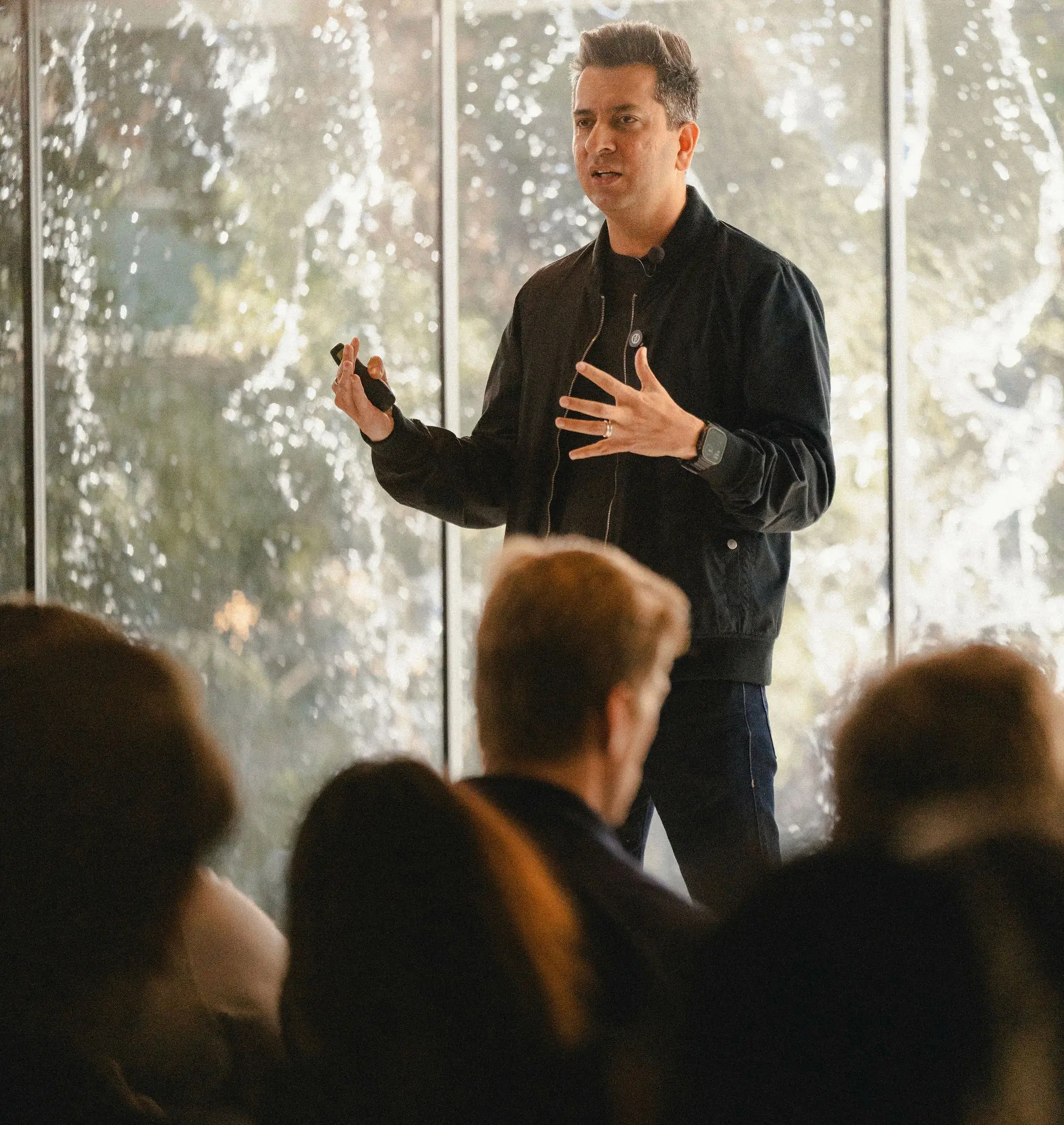
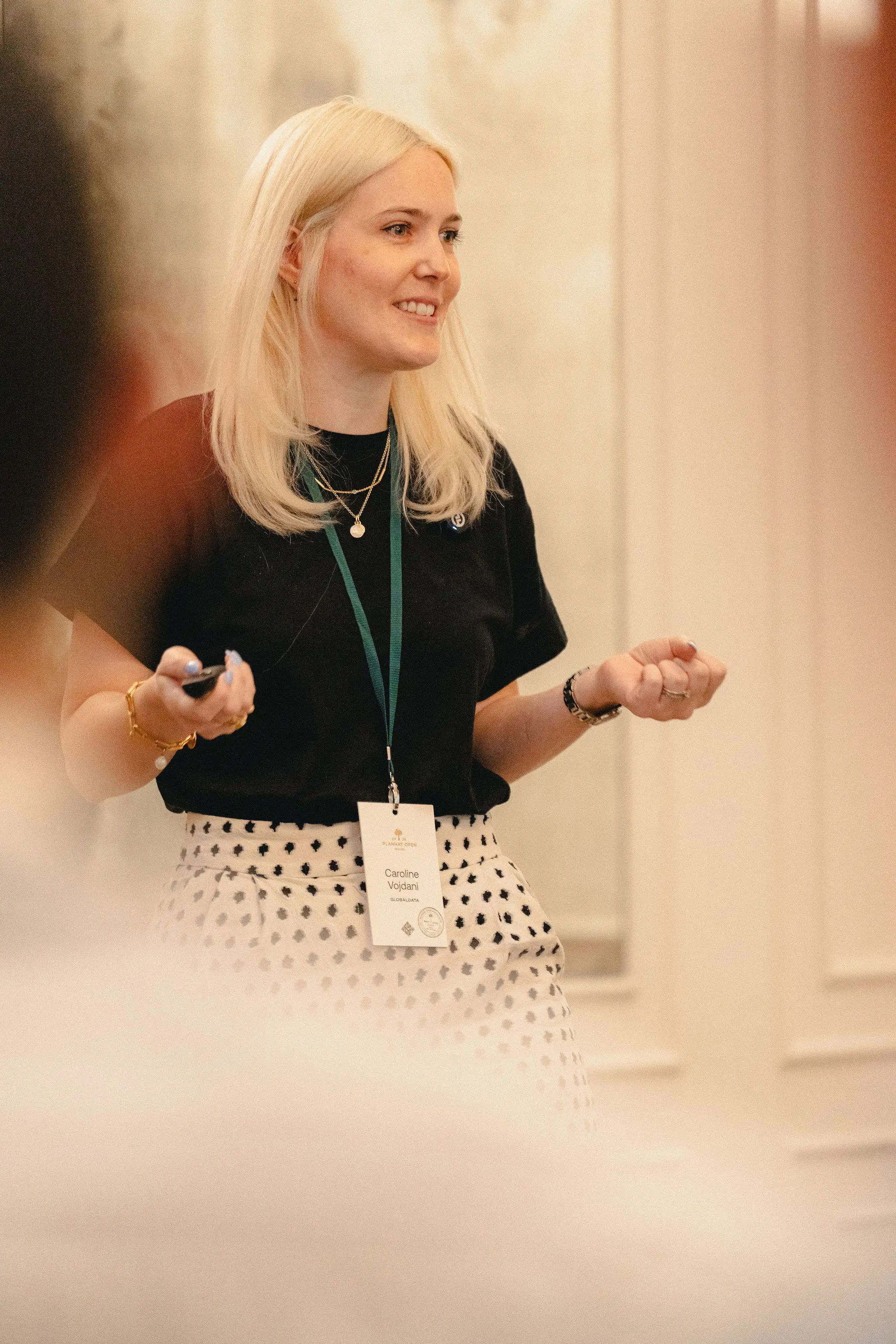
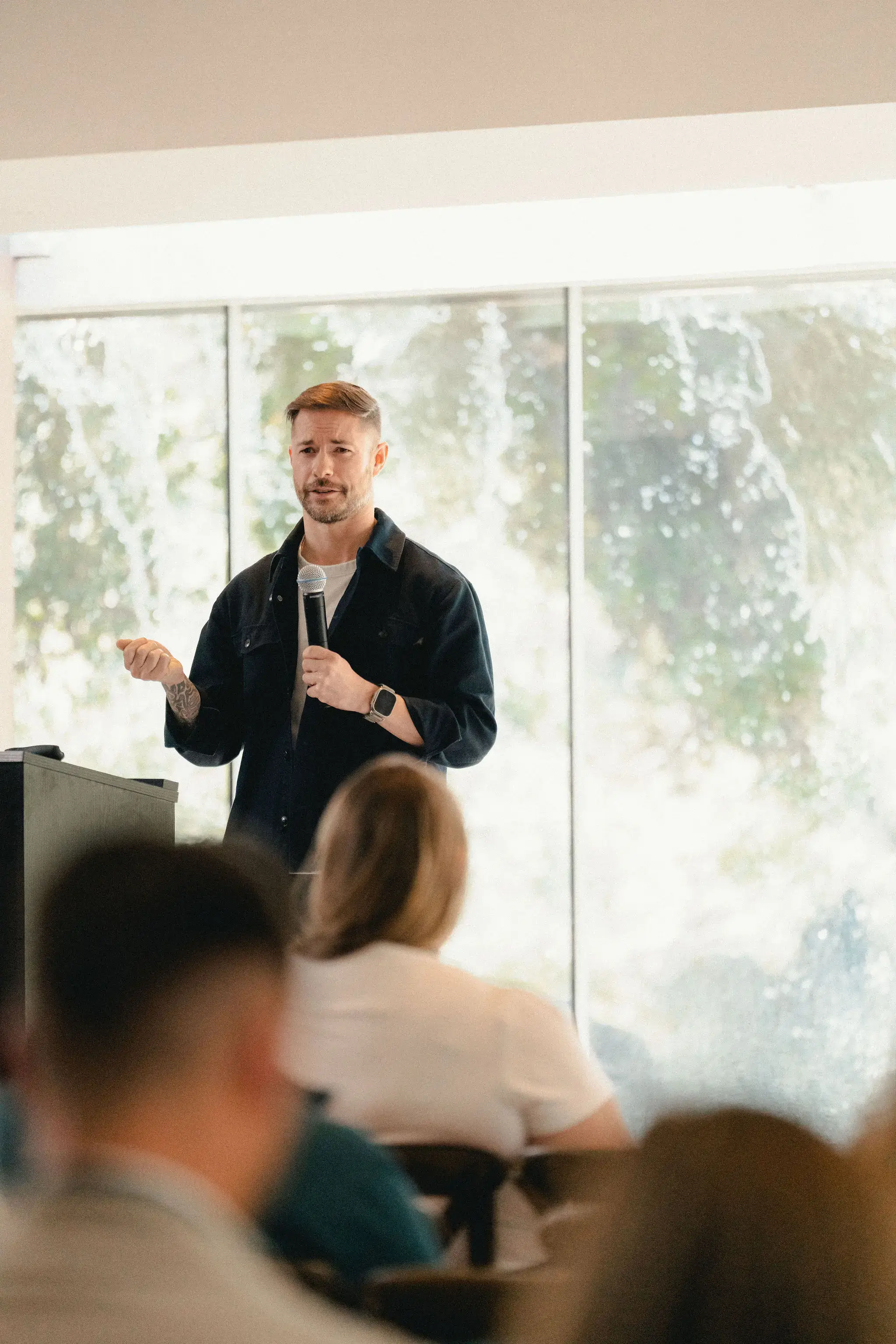
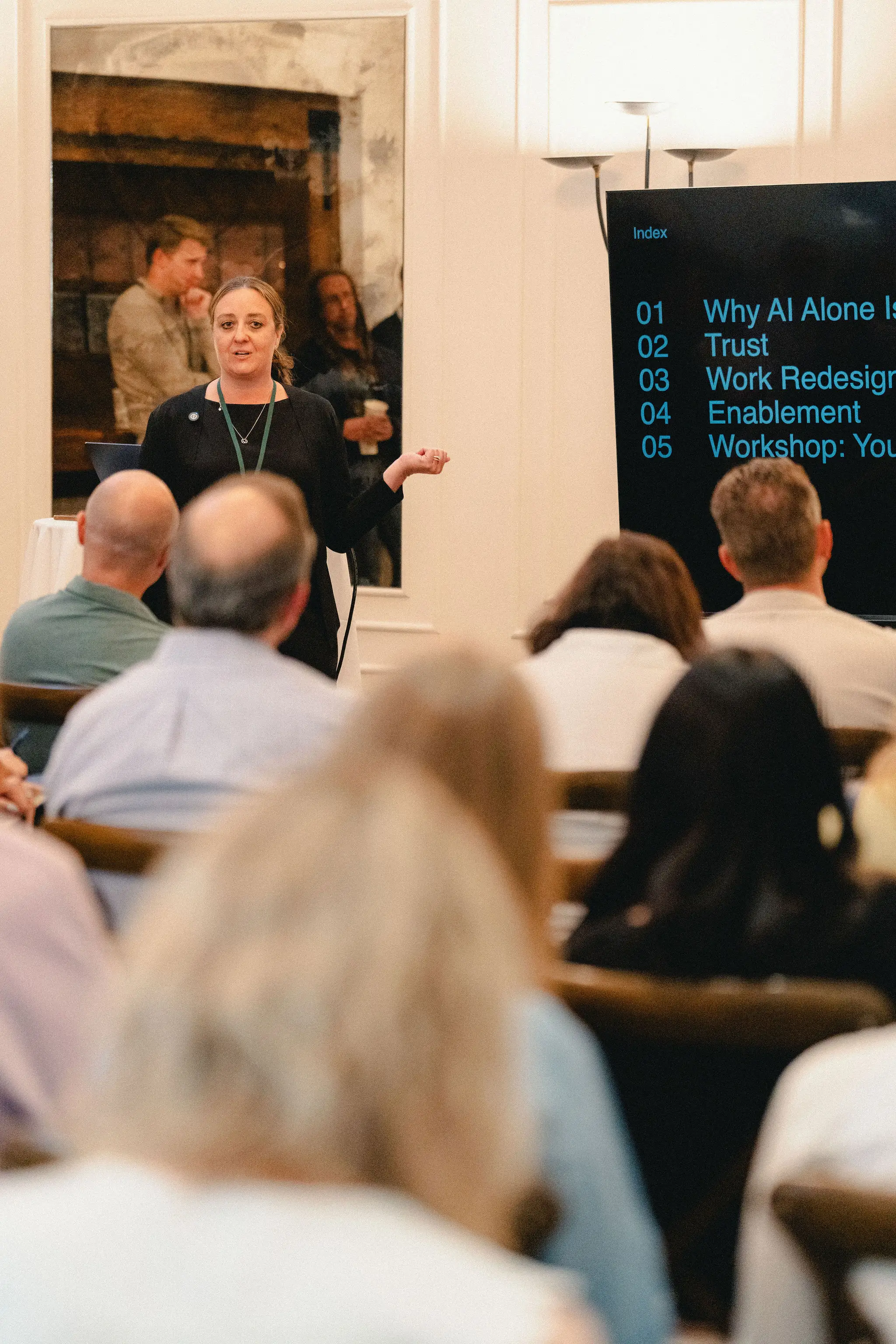
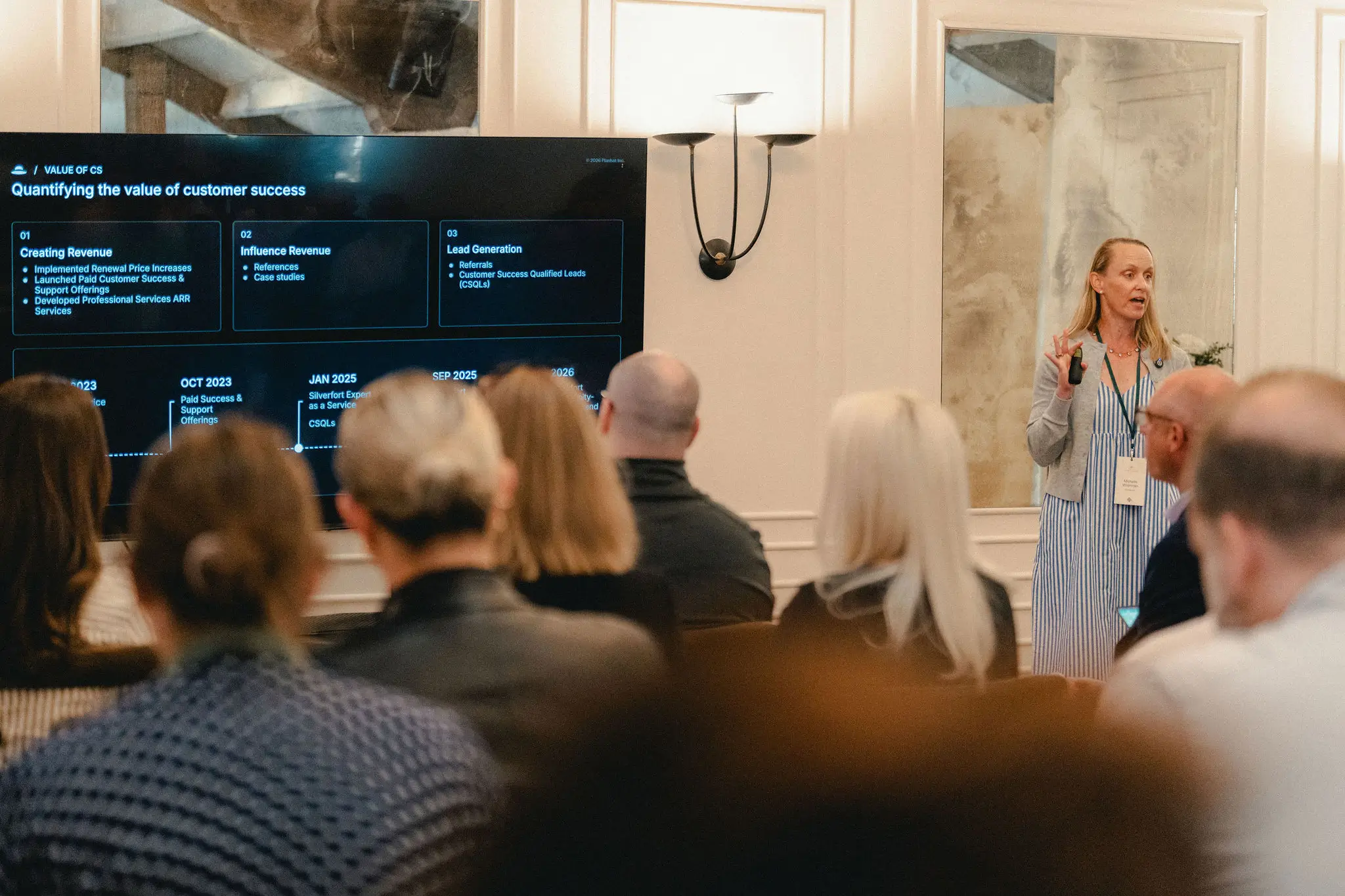
This article is based on a talk given at Planhat Open 2026. Certain sections have been modified for editorial clarity.
What are the practical implications?
Firstly, there is more need than ever to hire for two distinct profiles: ex-consultants, who excel at the context side, and domain specialists (for example, legal AI companies hire ex-lawyers as legal engineers.
Secondly, time to value, which has so far been elusive to measure, is finally measurable because the unit of value is discrete.
Lastly, if a company is capturing latent demand for work that has always existed but never had enough labor to address it, 120% net revenue retention is the wrong benchmark. Companies that have made this transition are reporting 200% to 300% NRR. The motion in this world is growth-shaped, not retention-shaped.
For customer success leaders trying to operate in the SaaS-era model while preparing for the applied AI model, the situation resembles professional sports more than traditional career planning. The applied AI companies are the venture portfolio outliers because they are the ones with a real chance to return the fund. Preparation for that future is unromantic: try new models, see what they can do and where they break, read the frontier labs, and follow what is actually being shipped. Be in the work daily, because the speed at which things are moving means waiting for the playbook is the same as not having one.
Nobody has all the answers yet. The community as a whole will have to figure this out together, and the leaders who get there first will be the ones who shared what they learned along the way.
This article is based on a talk given at Planhat Open 2026. Certain sections have been modified for editorial clarity.
What are the practical implications?
Firstly, there is more need than ever to hire for two distinct profiles: ex-consultants, who excel at the context side, and domain specialists (for example, legal AI companies hire ex-lawyers as legal engineers.
Secondly, time to value, which has so far been elusive to measure, is finally measurable because the unit of value is discrete.
Lastly, if a company is capturing latent demand for work that has always existed but never had enough labor to address it, 120% net revenue retention is the wrong benchmark. Companies that have made this transition are reporting 200% to 300% NRR. The motion in this world is growth-shaped, not retention-shaped.
For customer success leaders trying to operate in the SaaS-era model while preparing for the applied AI model, the situation resembles professional sports more than traditional career planning. The applied AI companies are the venture portfolio outliers because they are the ones with a real chance to return the fund. Preparation for that future is unromantic: try new models, see what they can do and where they break, read the frontier labs, and follow what is actually being shipped. Be in the work daily, because the speed at which things are moving means waiting for the playbook is the same as not having one.
Nobody has all the answers yet. The community as a whole will have to figure this out together, and the leaders who get there first will be the ones who shared what they learned along the way.
This article is based on a talk given at Planhat Open 2026. Certain sections have been modified for editorial clarity.
Expert Advice
Discover best practices from veterans of industry.
[
Discover All
]
[
Through the Lens
]
[
Talking Planhat
]
[
Expert Advice
]
[
In Perspective
]
[
In Conversation
]

Load more
Expert Advice
Discover best practices from veterans of industry.
[
Discover All
]
[
Through the Lens
]
[
Talking Planhat
]
[
Expert Advice
]
[
In Perspective
]
[
In Conversation
]
Load more
Expert Advice
Discover best practices from veterans of industry.
[
Discover All
]
[
Through the Lens
]
[
Talking Planhat
]
[
Expert Advice
]
[
In Perspective
]
[
In Conversation
]
Load more

Don't miss a beat.
Don't miss a beat.