Moving Faster, Staying Closer: Professional Services in the Agentic Era
Moving Faster, Staying Closer: Professional Services in the Agentic Era

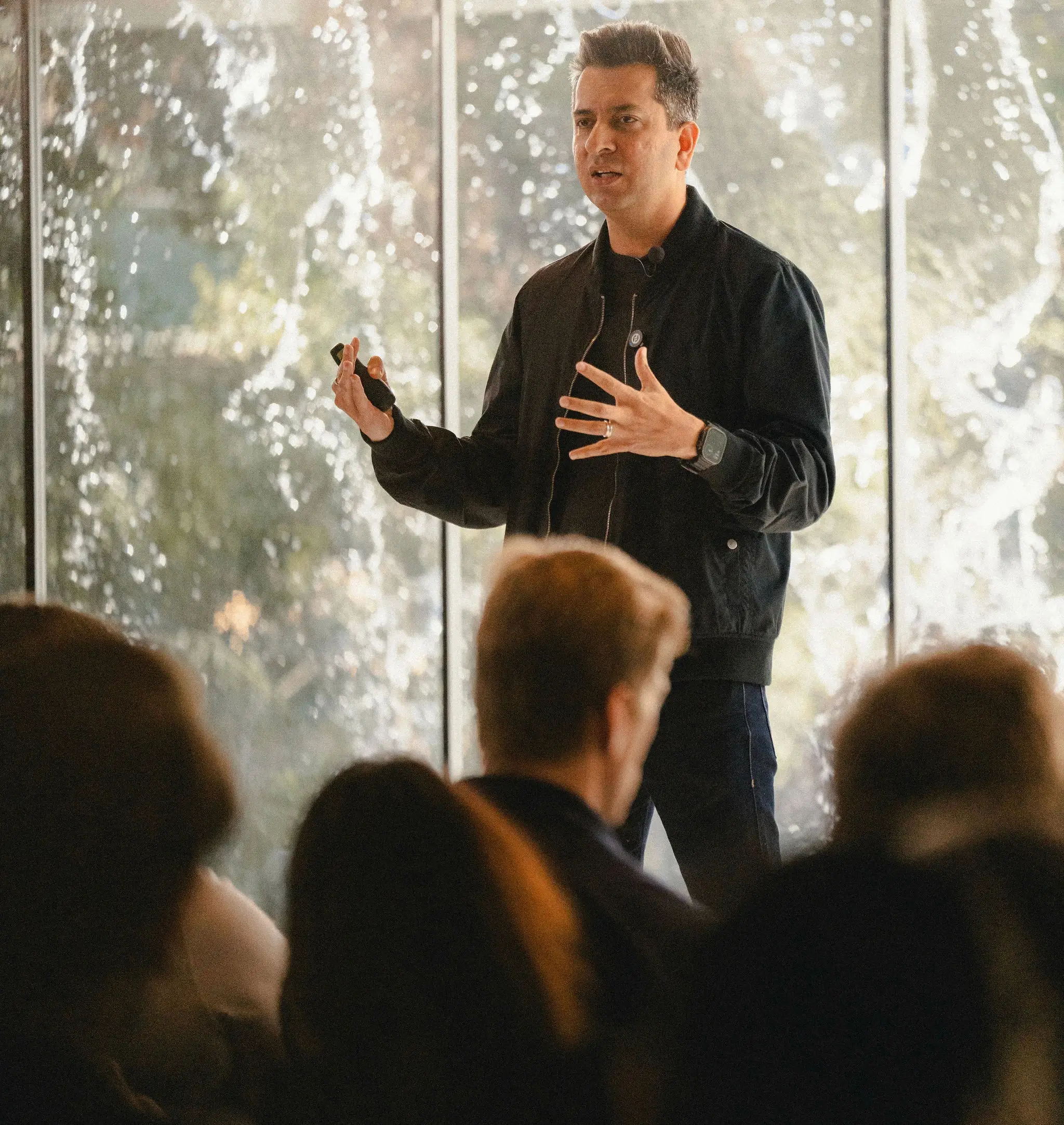
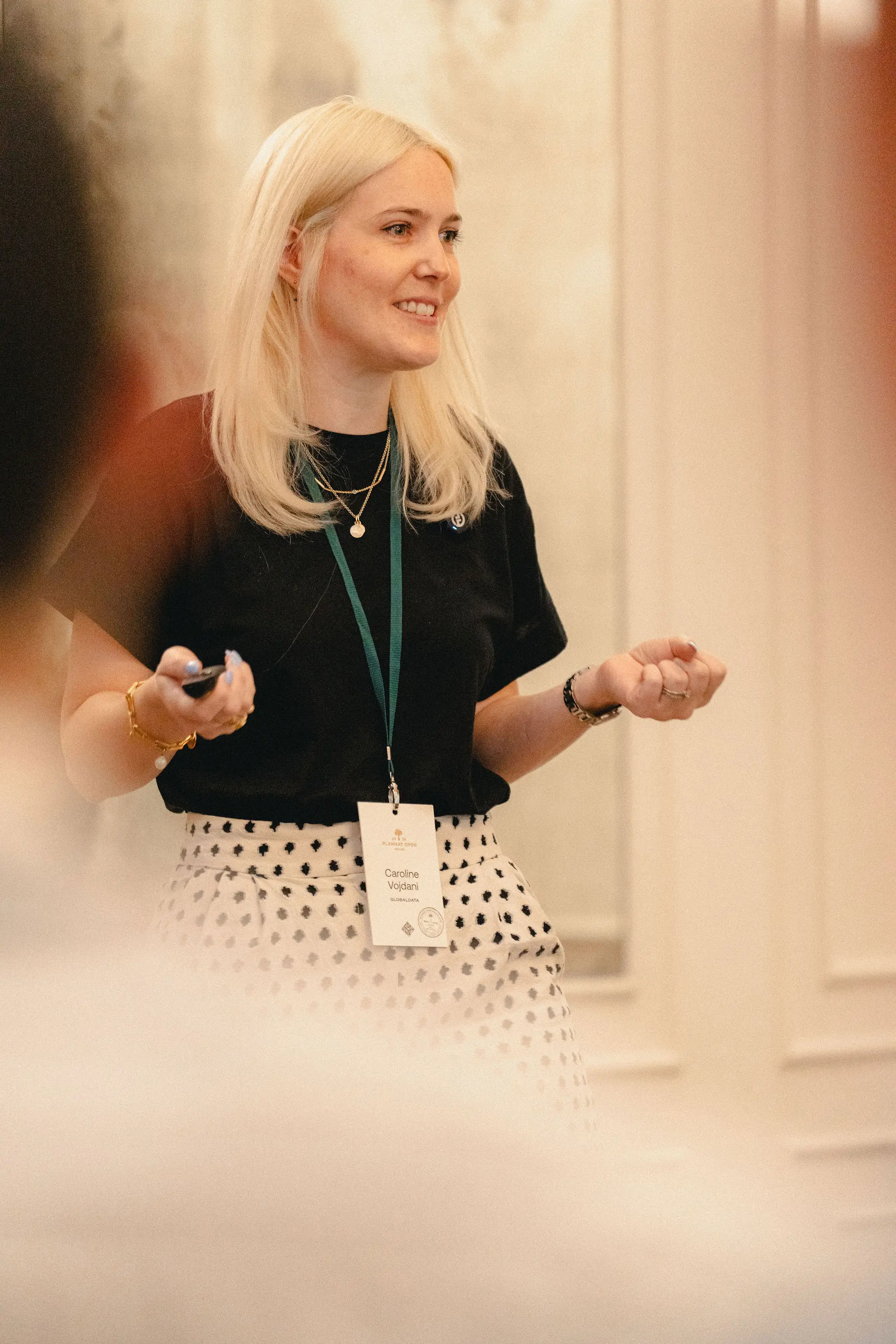
Doug Modic and Tom Broome discuss how automation, repeatable processes and human judgment are reshaping professional services.
Share
Based on a session at FRONTIER by Planhat, on 10 November 2026.
At Personio, mid-market onboarding used to take 150 days. The company has reduced that to 110 days, with an ambition to reach 60. At Keyfactor, productizing onboarding has helped cut the average journey from approximately 180 days to 90. Both companies are redesigning professional services through automation, repeatable processes and closer collaboration with product teams.
But faster delivery raises a fundamental question: What happens to the value of professional services when the work customers traditionally paid for becomes automated?
As AI takes on more documentation, configuration and routine project execution, consultants can spend less time performing technical tasks. This challenges organizations that have historically measured services through billable hours and utilization, while increasing the value of discovery, judgment and the ability to guide customers toward successful outcomes.
This allows specialist attention to be concentrated where it creates the most value: difficult decisions, complex requirements and interventions that require human expertise.”
“
Based on a session at FRONTIER by Planhat, on 10 November 2026.
At Personio, mid-market onboarding used to take 150 days. The company has reduced that to 110 days, with an ambition to reach 60. At Keyfactor, productizing onboarding has helped cut the average journey from approximately 180 days to 90. Both companies are redesigning professional services through automation, repeatable processes and closer collaboration with product teams.
But faster delivery raises a fundamental question: What happens to the value of professional services when the work customers traditionally paid for becomes automated?
As AI takes on more documentation, configuration and routine project execution, consultants can spend less time performing technical tasks. This challenges organizations that have historically measured services through billable hours and utilization, while increasing the value of discovery, judgment and the ability to guide customers toward successful outcomes.
“This allows specialist attention to be concentrated where it creates the most value: difficult decisions, complex requirements and interventions that require human expertise.”
Codify the process before scaling the team
Professional services organizations have traditionally responded to growing demand by hiring more consultants and project managers. But adding people to an inconsistent process creates more complexity as the organization grows.
When Tom Broome joined Personio as Global Head of Professional Services, the team was pushing for additional headcount. Before expanding, he focused on defining the customer journey and capturing experienced consultants’ expertise in repeatable processes. Codifying that knowledge reduces dependence on individual experts and creates a foundation for automation.
Both companies are increasingly treating services like a product: defining what customers receive, designing a repeatable journey and improving the processes through which it’s delivered.
As execution becomes easier to automate, the value of professional services will depend increasingly on the expertise customers receive and the outcomes it helps them achieve.”
“
Codify the process before scaling the team
Professional services organizations have traditionally responded to growing demand by hiring more consultants and project managers. But adding people to an inconsistent process creates more complexity as the organization grows.
When Tom Broome joined Personio as Global Head of Professional Services, the team was pushing for additional headcount. Before expanding, he focused on defining the customer journey and capturing experienced consultants’ expertise in repeatable processes. Codifying that knowledge reduces dependence on individual experts and creates a foundation for automation.
Both companies are increasingly treating services like a product: defining what customers receive, designing a repeatable journey and improving the processes through which it’s delivered.
“As execution becomes easier to automate, the value of professional services will depend increasingly on the expertise customers receive and the outcomes it helps them achieve.”
Automate the work, then redirect the capacity
The impact of AI on professional services can be understood through three levels. The first is administrative automation, reducing time spent on documentation, meeting notes and follow-ups. The second is turning insight into action, using signals from customer activity to identify implementation risks and recommend interventions. The third is workflow transformation, where software executes tasks such as configuration and data imports that consultants previously performed themselves.
Personio is operating primarily between the first two levels, with some workflow automation already introduced. As more technical work becomes automated, the company is redesigning how consultants spend their time, placing greater emphasis on customer conversations and less on hands-on configuration.
But freeing up capacity doesn’t automatically produce greater productivity. As Broome observed, the additional time can simply “disappear into Slack.” Employees remain busy, but the organization sees little improvement because their responsibilities haven’t changed. Services leaders therefore need to adjust roles, incentives and performance expectations alongside automation, ensuring that the capacity it creates is directed toward additional projects or higher-value customer work.
Productize the implementation journey
At Personio, redesigning the journey meant examining each onboarding stage to identify delays, then deciding which capabilities belonged in the product and which should remain in internal tools used by consultants.
Keyfactor has worked with its product organization to change the sequence of implementation activities, partly by moving critical technical steps earlier so customers can establish momentum before encountering more complex work.
Services teams need to influence the product roadmap. They understand where implementations stall, which activities consume time and what customers need to make progress. Implementation data and customer examples make that case more effectively than general requests for improvement.
From deliverables-based services to customer outcomes
As automation reduces delivery time, professional services organizations need to reconsider what they’re selling. Customers may reasonably question why services should cost the same when fewer hours are required, but the value of an implementation also depends on the outcome it produces.
At Keyfactor, Doug Modic, SVP of Global Professional Services, is prioritizing outcome-based services without immediately changing to outcome-based pricing. He describes this as “PS 1.5”: integrating acquisitions and building consistent delivery while moving toward a more automated model.
Customers increasingly buy solutions to business problems rather than implementations of individual features. Keyfactor’s unified trust control plane reflects that shift, bringing together capabilities from its broader product portfolio. As Modic put it, customers “don’t want to feel our org chart during an onboarding project.” They expect an integrated experience that delivers the outcome they purchased.
Personio is approaching the commercial question through the changing value of consulting time. As configuration and other technical tasks become automated, more of the work shifts toward discovery, process mapping and scoping. Although the total hours delivered may decline, these interactions require greater expertise and can provide more value to customers. Personio is therefore working to maintain services revenue while shortening delivery, supported by a more consultative offering.
The best consultants will combine judgment with ownership
As AI handles more technical work, the capabilities required from consultants are changing. At Keyfactor, AI can generate much of the code that once required specialist scripting skills, while products have become easier to deploy. Personio is increasingly recruiting from consulting, project management and sales backgrounds.
The emphasis is moving toward discovery, communication, objection handling and the ability to guide customers through difficult decisions. AI can produce recommendations quickly, but consultants must determine whether those recommendations are appropriate for the customer’s circumstances. Overreliance on generic output risks delivering what Modic calls “AI slop”: advice that appears polished but lacks the expertise customers expect from a specialist.
Keyfactor therefore places particular emphasis on self-awareness and ownership when hiring. Self-aware consultants understand how they’re perceived and can influence customers and colleagues effectively. Those with a strong sense of ownership take responsibility for achieving the customer’s objectives, even when the answer isn’t immediately available.
Give customers different paths to success
Automation also allows services organizations to provide different levels of assistance according to customer needs. Keyfactor is developing a model that ranges from self-service resources to targeted professional services interventions and dedicated technical account management. Customers with sufficient expertise can complete more work independently, while those facing greater complexity receive additional guidance.
This allows specialist attention to be concentrated where it creates the most value: difficult decisions, complex requirements and interventions that require human expertise.
As execution becomes easier to automate, the value of professional services will depend increasingly on the expertise customers receive and the outcomes it helps them achieve.
The Archive
[
Discover All
]
[
Through the Lens
]
[
Talking Planhat
]
[
Expert Advice
]
[
In Perspective
]
[
In Conversation
]





Load more
The Archive
[
Discover All
]
[
Through the Lens
]
[
Talking Planhat
]
[
Expert Advice
]
[
In Perspective
]
[
In Conversation
]
Load more
The Archive
[
Discover All
]
[
Through the Lens
]
[
Talking Planhat
]
[
Expert Advice
]
[
In Perspective
]
[
In Conversation
]
Load more

Don't miss a beat.
Don't miss a beat.