Trust is the Process

Trust is the Process

Trust is the Process

Trust is the Process
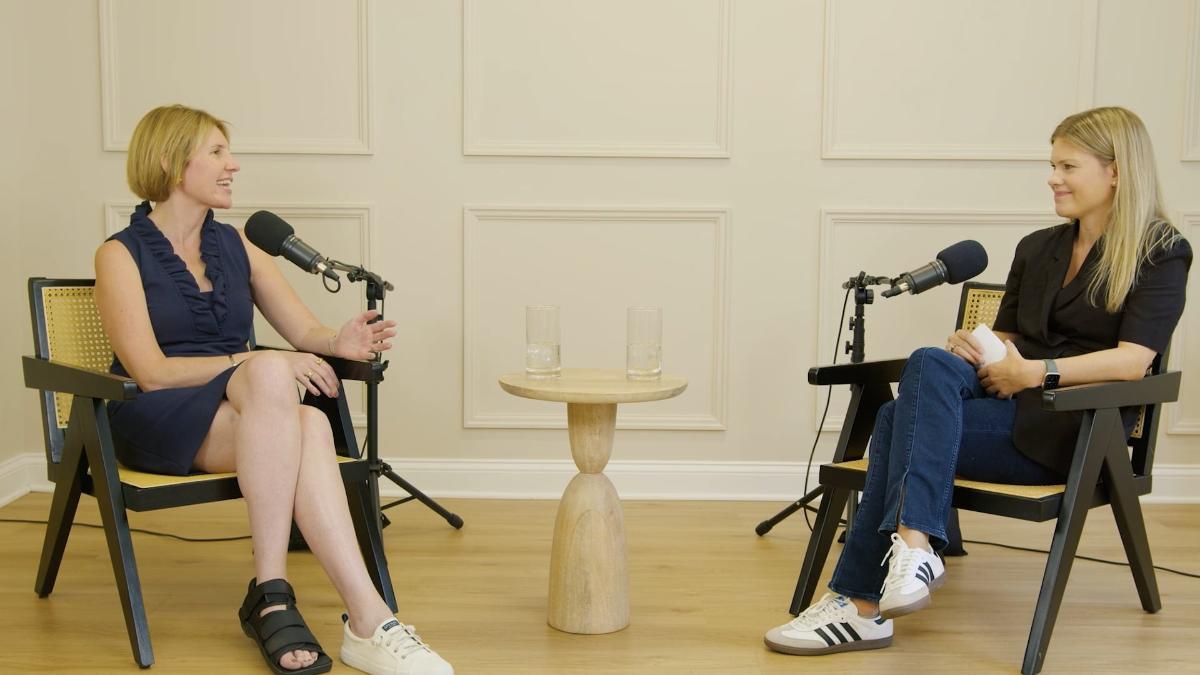
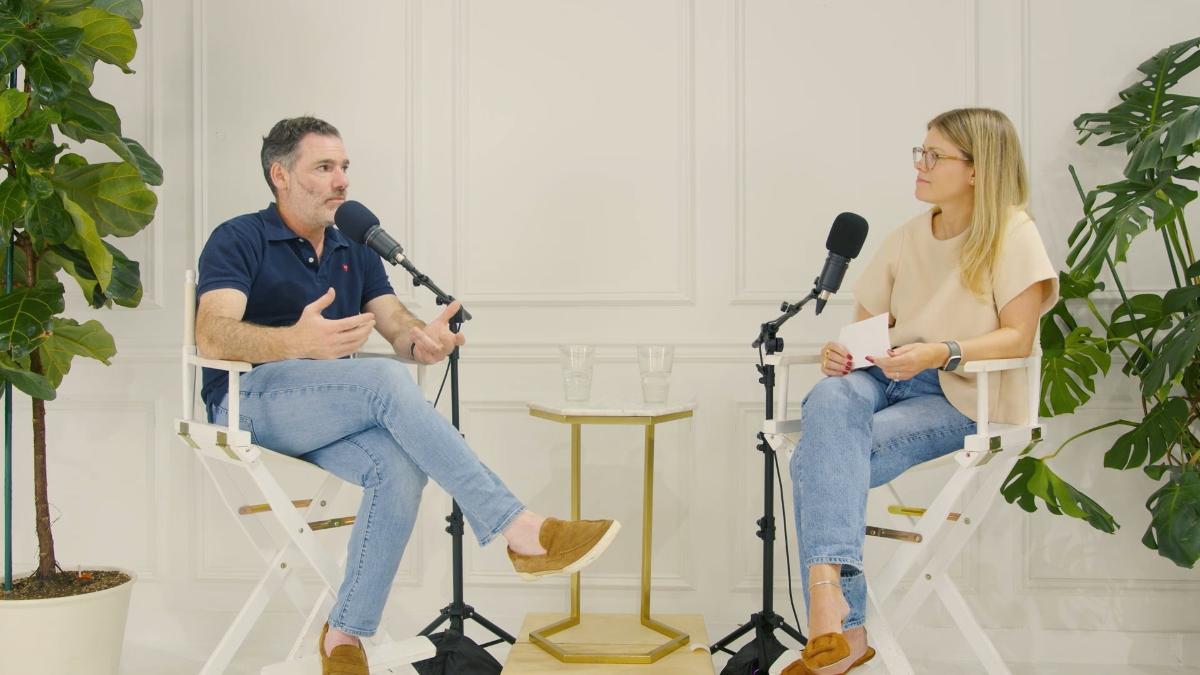
Planhat CEO, Kaveh Rostampor, sits down with Adrian Blair, CEO of Trustpilot. In conversation, they discuss customer centricity, how to drive growth at scale, and the challenge of running a public company.
Share
Planhat CEO, Kaveh Rostampor, sits down with Adrian Blair, CEO of Trustpilot. In conversation, they discuss customer centricity, how to drive growth at scale, and the challenge of running a public company.
Share
Planhat CEO, Kaveh Rostampor, sits down with Adrian Blair, CEO of Trustpilot. In conversation, they discuss customer centricity, how to drive growth at scale, and the challenge of running a public company.
Share
How did you end up taking a job as a CEO of Trustpilot?
Adrian Blair — Trustpilot is a public company, we're very global. We have paying customers in more than a hundred countries. We have a very large consumer audience because we're the largest independent customer review platform in the world. We cross all verticals in the economies. we have about 70 million users a month on our different websites around the world. But we're also a SaaS business, so all of our revenue comes from businesses paying us on subscription. I was for seven years, chief Operating Officer at Just Eat, so I had that consumer marketplace experience, but I also ran an accounting SaaS platform called DExT, which we sold to HG Capital in 2021. And really what I've found in this role is all of those things come together in Trustpilot.
It's pretty much as I thought it would be. It brings quite a bit of pressure with it, but at the same time, I actually think it's the appropriate structure for Trustpilot.
“We're a very trusted brand, and for people to be able to see out in public our numbers, our strategy, all the things that you see about a public company, I think it suits who we are as a company pretty well.”
Adrian Blair
CEO
Trustpilot
How did you end up taking a job as a CEO of Trustpilot?
Adrian Blair — Trustpilot is a public company, we're very global. We have paying customers in more than a hundred countries. We have a very large consumer audience because we're the largest independent customer review platform in the world. We cross all verticals in the economies. we have about 70 million users a month on our different websites around the world. But we're also a SaaS business, so all of our revenue comes from businesses paying us on subscription. I was for seven years, chief Operating Officer at Just Eat, so I had that consumer marketplace experience, but I also ran an accounting SaaS platform called DExT, which we sold to HG Capital in 2021. And really what I've found in this role is all of those things come together in Trustpilot.
It's pretty much as I thought it would be. It brings quite a bit of pressure with it, but at the same time, I actually think it's the appropriate structure for Trustpilot.
“We're a very trusted brand, and for people to be able to see out in public our numbers, our strategy, all the things that you see about a public company, I think it suits who we are as a company pretty well.”
Adrian Blair
CEO
Trustpilot
How did you end up taking a job as a CEO of Trustpilot?
Adrian Blair — Trustpilot is a public company, we're very global. We have paying customers in more than a hundred countries. We have a very large consumer audience because we're the largest independent customer review platform in the world. We cross all verticals in the economies. we have about 70 million users a month on our different websites around the world. But we're also a SaaS business, so all of our revenue comes from businesses paying us on subscription. I was for seven years, chief Operating Officer at Just Eat, so I had that consumer marketplace experience, but I also ran an accounting SaaS platform called DExT, which we sold to HG Capital in 2021. And really what I've found in this role is all of those things come together in Trustpilot.
It's pretty much as I thought it would be. It brings quite a bit of pressure with it, but at the same time, I actually think it's the appropriate structure for Trustpilot.
“We're a very trusted brand, and for people to be able to see out in public our numbers, our strategy, all the things that you see about a public company, I think it suits who we are as a company pretty well.”
Adrian Blair
CEO
Trustpilot
How do you serve consumers first?
Kaveh Rostampor — Do you think about Trustpilot as a SaaS business or do you think of it as a marketplace?
Adrian Blair — We're an open review platform. That means anybody can leave a review of any company with whom they've had a genuine experience. So you can go to Trustpilot right now and leave a review of this very ranch that we're in. We've gotta make sure that the content on Trustpilot is as helpful as possible for consumers to help them make choices in their lives. So we put a lot of effort into technology to make sure that the content on the site is useful. But what that means is people trust us and people come to us all over the world to help them make choices.
Then off the back of that, we can help companies to engage with this platform and use it to build trust with their customers and to grow to ultimately become better businesses by listening to customer feedback. To help them engage with more feedback and to help them understand better what customers say and what is a product like, what is a product you can buy or two, three different products you buy.
There's a few different things that you are buying when you subscribe to Trustpilot:
The first is the ability to automate review invitations, so if you are a large company and you've got a million customers, you can use our systems to automate sending out a million review invitations.
The second thing is if you have a very high Trustpilot rating, then you might want to showcase that rating to your own customers in advertising or through your own website to boost conversion and get more ROI on your own marketing budget. So you pay for the right to use our brand in that way. We see ourselves in TV advertising creative quite a bit at the moment.
And then we've also got insights products where you use our tools to learn more about what customers are saying and basically use it to make a better business.
“We've gotta make sure that the content on Trustpilot is as helpful as possible for consumers to help them make choices in their lives. So we put a lot of effort into technology to make sure that the content on the site is useful.”
Adrian Blair
CEO
Trustpilot
How do you serve consumers first?
Kaveh Rostampor — Do you think about Trustpilot as a SaaS business or do you think of it as a marketplace?
Adrian Blair — We're an open review platform. That means anybody can leave a review of any company with whom they've had a genuine experience. So you can go to Trustpilot right now and leave a review of this very ranch that we're in. We've gotta make sure that the content on Trustpilot is as helpful as possible for consumers to help them make choices in their lives. So we put a lot of effort into technology to make sure that the content on the site is useful. But what that means is people trust us and people come to us all over the world to help them make choices.
Then off the back of that, we can help companies to engage with this platform and use it to build trust with their customers and to grow to ultimately become better businesses by listening to customer feedback. To help them engage with more feedback and to help them understand better what customers say and what is a product like, what is a product you can buy or two, three different products you buy.
There's a few different things that you are buying when you subscribe to Trustpilot:
The first is the ability to automate review invitations, so if you are a large company and you've got a million customers, you can use our systems to automate sending out a million review invitations.
The second thing is if you have a very high Trustpilot rating, then you might want to showcase that rating to your own customers in advertising or through your own website to boost conversion and get more ROI on your own marketing budget. So you pay for the right to use our brand in that way. We see ourselves in TV advertising creative quite a bit at the moment.
And then we've also got insights products where you use our tools to learn more about what customers are saying and basically use it to make a better business.
“We've gotta make sure that the content on Trustpilot is as helpful as possible for consumers to help them make choices in their lives. So we put a lot of effort into technology to make sure that the content on the site is useful.”
Adrian Blair
CEO
Trustpilot
How do you serve consumers first?
Kaveh Rostampor — Do you think about Trustpilot as a SaaS business or do you think of it as a marketplace?
Adrian Blair — We're an open review platform. That means anybody can leave a review of any company with whom they've had a genuine experience. So you can go to Trustpilot right now and leave a review of this very ranch that we're in. We've gotta make sure that the content on Trustpilot is as helpful as possible for consumers to help them make choices in their lives. So we put a lot of effort into technology to make sure that the content on the site is useful. But what that means is people trust us and people come to us all over the world to help them make choices.
Then off the back of that, we can help companies to engage with this platform and use it to build trust with their customers and to grow to ultimately become better businesses by listening to customer feedback. To help them engage with more feedback and to help them understand better what customers say and what is a product like, what is a product you can buy or two, three different products you buy.
There's a few different things that you are buying when you subscribe to Trustpilot:
The first is the ability to automate review invitations, so if you are a large company and you've got a million customers, you can use our systems to automate sending out a million review invitations.
The second thing is if you have a very high Trustpilot rating, then you might want to showcase that rating to your own customers in advertising or through your own website to boost conversion and get more ROI on your own marketing budget. So you pay for the right to use our brand in that way. We see ourselves in TV advertising creative quite a bit at the moment.
And then we've also got insights products where you use our tools to learn more about what customers are saying and basically use it to make a better business.
“We've gotta make sure that the content on Trustpilot is as helpful as possible for consumers to help them make choices in their lives. So we put a lot of effort into technology to make sure that the content on the site is useful.”
Adrian Blair
CEO
Trustpilot
How do you segment your customers?
Adrian Blair — The vast majority of businesses on Trustpilot are free customers, and that's because there's an open platform. There's no restriction on businesses being able to participate. So we've got. 1.1 million domains with reviews on Trustpilot.
Then we've got a segment of 26,000 businesses at the moment who are paying us. And of those 26,000, we segmented into enterprise, mid-market and SMB.
Kaveh Rostampor — Do you do this based on their spend with Trustpilot or on their potential?
Adrian Blair — It's more on their characteristics as a company rather than on what they're spending with us. So we look at number of employees, we look at web traffic, and we look at revenue. And on the basis of those three metrics, we determine which would segment the customer's in.
Kaveh Rostampor — So if you're an enterprise customer, how do you engage with Trustpilot? Do you get an account manager? Do you build deep relationships with these customers? Or is it more of a tech touch?
Adrian Blair — If you're an enterprise customer, you'll typically have quite a few reviews on Trustpilot already, so that's the first point of engagement. You and your employees can read real customer feedback on Trustpilot, and that makes you interested in engaging with the platform. Without even paying for our product, you can already reply to reviews through Trustpilot.
If you want to take it a step further and automate the invitations, use our brand in your marketing, that's when you get onto our paid plans. We've got a new business team that brings the customers on board. Then we've got onboarding, and then we've got customer success. And obviously the customer success function is critical to customer engagement, showing them the value of new features as we build them.
How do you segment your customers?
Adrian Blair — The vast majority of businesses on Trustpilot are free customers, and that's because there's an open platform. There's no restriction on businesses being able to participate. So we've got. 1.1 million domains with reviews on Trustpilot.
Then we've got a segment of 26,000 businesses at the moment who are paying us. And of those 26,000, we segmented into enterprise, mid-market and SMB.
Kaveh Rostampor — Do you do this based on their spend with Trustpilot or on their potential?
Adrian Blair — It's more on their characteristics as a company rather than on what they're spending with us. So we look at number of employees, we look at web traffic, and we look at revenue. And on the basis of those three metrics, we determine which would segment the customer's in.
Kaveh Rostampor — So if you're an enterprise customer, how do you engage with Trustpilot? Do you get an account manager? Do you build deep relationships with these customers? Or is it more of a tech touch?
Adrian Blair — If you're an enterprise customer, you'll typically have quite a few reviews on Trustpilot already, so that's the first point of engagement. You and your employees can read real customer feedback on Trustpilot, and that makes you interested in engaging with the platform. Without even paying for our product, you can already reply to reviews through Trustpilot.
If you want to take it a step further and automate the invitations, use our brand in your marketing, that's when you get onto our paid plans. We've got a new business team that brings the customers on board. Then we've got onboarding, and then we've got customer success. And obviously the customer success function is critical to customer engagement, showing them the value of new features as we build them.
How do you segment your customers?
Adrian Blair — The vast majority of businesses on Trustpilot are free customers, and that's because there's an open platform. There's no restriction on businesses being able to participate. So we've got. 1.1 million domains with reviews on Trustpilot.
Then we've got a segment of 26,000 businesses at the moment who are paying us. And of those 26,000, we segmented into enterprise, mid-market and SMB.
Kaveh Rostampor — Do you do this based on their spend with Trustpilot or on their potential?
Adrian Blair — It's more on their characteristics as a company rather than on what they're spending with us. So we look at number of employees, we look at web traffic, and we look at revenue. And on the basis of those three metrics, we determine which would segment the customer's in.
Kaveh Rostampor — So if you're an enterprise customer, how do you engage with Trustpilot? Do you get an account manager? Do you build deep relationships with these customers? Or is it more of a tech touch?
Adrian Blair — If you're an enterprise customer, you'll typically have quite a few reviews on Trustpilot already, so that's the first point of engagement. You and your employees can read real customer feedback on Trustpilot, and that makes you interested in engaging with the platform. Without even paying for our product, you can already reply to reviews through Trustpilot.
If you want to take it a step further and automate the invitations, use our brand in your marketing, that's when you get onto our paid plans. We've got a new business team that brings the customers on board. Then we've got onboarding, and then we've got customer success. And obviously the customer success function is critical to customer engagement, showing them the value of new features as we build them.
How do you think about marketing to consumers?
Adrian Blair — There's such virality in the model that we don't really need to do that. We see our number of consumers is increasing all the time, and that's partly referrals, because people tell their friends that they found Trustpilot useful. And we have so many businesses who are active on the platform through inviting their customers to leave reviews. That gets us a lot of growth.
Kaveh Rostampor — In which markets are Trustpilot the strongest?
Adrian Blair — We've got four focus markets. The us, the uk, Germany, and Italy. The UK is our largest market. It's about 40% of our business globally. The US is about 20%. And the remaining 40% is split between Europe and APAC with the largest markets in that segment being Germany, Italy, and the Nordics. It's a hugely international business, trust is a completely global concept.
Kaveh Rostampor — We met a year ago when you just took the job. Since then, the stock price has gone up 170%. What happened? Aside from the Adrian effect…
Adrian Blair — When I started we've got three key priorities: the first is strategic clarity, the second is strong execution, and the third is improving profitability. Our 900 employees have delivered those results. The team has done a great job, adopting a clear approach, a clear strategy, executing on it really well across these four focus markets and being really disciplined on costs.
When you are really clear on your strategy and what you're trying to do, you're also very clear on what you're not doing. And that makes it easier to stop spending money on things that aren't aligned with our strategy, you can be very disciplined about cost, hopefully deliver better growth and that's when the profitability starts to flow through.
Kaveh Rostampor — So I come to this venue. And I see five reviews, how much can I trust them? How does Trustpilot think about that?
Adrian Blair — Our vision that Trustpilot is to be the universal symbol of trust. Trust is at the center of everything we do. I have a chief trust officer on my executive team. That's as important as the CFO or the CRO. And that means that we're willing to make ourselves unpopular in the name of trust.
Where the rubber hits the road is businesses: you get some one star reviews. That's somebody's opinion of your company. The internet is a platform for free speech.
“We believe that feedback is best living in the wild, not in captivity. We think it should be out there for everybody to see. By really listening to customers and engaging with customer feedback, businesses can actually become better.”
Adrian Blair
CEO
Trustpilot
How do you think about marketing to consumers?
Adrian Blair — There's such virality in the model that we don't really need to do that. We see our number of consumers is increasing all the time, and that's partly referrals, because people tell their friends that they found Trustpilot useful. And we have so many businesses who are active on the platform through inviting their customers to leave reviews. That gets us a lot of growth.
Kaveh Rostampor — In which markets are Trustpilot the strongest?
Adrian Blair — We've got four focus markets. The us, the uk, Germany, and Italy. The UK is our largest market. It's about 40% of our business globally. The US is about 20%. And the remaining 40% is split between Europe and APAC with the largest markets in that segment being Germany, Italy, and the Nordics. It's a hugely international business, trust is a completely global concept.
Kaveh Rostampor — We met a year ago when you just took the job. Since then, the stock price has gone up 170%. What happened? Aside from the Adrian effect…
Adrian Blair — When I started we've got three key priorities: the first is strategic clarity, the second is strong execution, and the third is improving profitability. Our 900 employees have delivered those results. The team has done a great job, adopting a clear approach, a clear strategy, executing on it really well across these four focus markets and being really disciplined on costs.
When you are really clear on your strategy and what you're trying to do, you're also very clear on what you're not doing. And that makes it easier to stop spending money on things that aren't aligned with our strategy, you can be very disciplined about cost, hopefully deliver better growth and that's when the profitability starts to flow through.
Kaveh Rostampor — So I come to this venue. And I see five reviews, how much can I trust them? How does Trustpilot think about that?
Adrian Blair — Our vision that Trustpilot is to be the universal symbol of trust. Trust is at the center of everything we do. I have a chief trust officer on my executive team. That's as important as the CFO or the CRO. And that means that we're willing to make ourselves unpopular in the name of trust.
Where the rubber hits the road is businesses: you get some one star reviews. That's somebody's opinion of your company. The internet is a platform for free speech.
“We believe that feedback is best living in the wild, not in captivity. We think it should be out there for everybody to see. By really listening to customers and engaging with customer feedback, businesses can actually become better.”
Adrian Blair
CEO
Trustpilot
How do you think about marketing to consumers?
Adrian Blair — There's such virality in the model that we don't really need to do that. We see our number of consumers is increasing all the time, and that's partly referrals, because people tell their friends that they found Trustpilot useful. And we have so many businesses who are active on the platform through inviting their customers to leave reviews. That gets us a lot of growth.
Kaveh Rostampor — In which markets are Trustpilot the strongest?
Adrian Blair — We've got four focus markets. The us, the uk, Germany, and Italy. The UK is our largest market. It's about 40% of our business globally. The US is about 20%. And the remaining 40% is split between Europe and APAC with the largest markets in that segment being Germany, Italy, and the Nordics. It's a hugely international business, trust is a completely global concept.
Kaveh Rostampor — We met a year ago when you just took the job. Since then, the stock price has gone up 170%. What happened? Aside from the Adrian effect…
Adrian Blair — When I started we've got three key priorities: the first is strategic clarity, the second is strong execution, and the third is improving profitability. Our 900 employees have delivered those results. The team has done a great job, adopting a clear approach, a clear strategy, executing on it really well across these four focus markets and being really disciplined on costs.
When you are really clear on your strategy and what you're trying to do, you're also very clear on what you're not doing. And that makes it easier to stop spending money on things that aren't aligned with our strategy, you can be very disciplined about cost, hopefully deliver better growth and that's when the profitability starts to flow through.
Kaveh Rostampor — So I come to this venue. And I see five reviews, how much can I trust them? How does Trustpilot think about that?
Adrian Blair — Our vision that Trustpilot is to be the universal symbol of trust. Trust is at the center of everything we do. I have a chief trust officer on my executive team. That's as important as the CFO or the CRO. And that means that we're willing to make ourselves unpopular in the name of trust.
Where the rubber hits the road is businesses: you get some one star reviews. That's somebody's opinion of your company. The internet is a platform for free speech.
“We believe that feedback is best living in the wild, not in captivity. We think it should be out there for everybody to see. By really listening to customers and engaging with customer feedback, businesses can actually become better.”
Adrian Blair
CEO
Trustpilot
Has the culture changed since you came in?
Adrian Blair — There was a great culture at Trustpilot already. We had a wonderful founder, Peter Morman, who had instilled some great values in the company. What I noticed though was there was a couple of things missing, so we've added a couple of new values: the first is we start with the customer, which is absolutely key to us, both on the business side and on the consumer side, what do they need and what can we do that's right for them. Secondly, we added a value that is 'we make it happen' That's all about delivering on your promises.
Kaveh Rostampor — When it comes to customer management, most enterprise businesses end up having a revenue base where 20% of the customers account for most of their revenue. Is that the same for Trustpilot?
Adrian Blair — Revenue is very diversified between different customers. Extremely broadly split. We are prioritizing the enterprise segment in the sense that those customers derive huge value from our product. And we see some really strong multi-year relationships. And so we see more customers like that as being the sweet spot for us. The fact that they can use our brands in their own promotional activity. It gets them a much higher ROI on their own marketing. But what we have is a fantastic team of customer success. People who are working really closely with these large enterprises to make sure that they're getting the most from the product. And of course we organize a lot of different touch points with customers to help 'em to do that.
Kaveh Rostampor — And who is the buyer?
Adrian Blair — It's often marketing, or customer experience. If you're getting a very large number of reviews, then the best practice is to reply to those reviews to engage with them. It's typically the CX function. But then marketing is very interested in the ability to include Trustpilot in creative. You've also got this whole insight piece as well, which is interesting, to actually to understand what people are actually saying and product. A lot of it's relevant to product as well.
“We start with the customer, which is absolutely key to us, both on the business side and on the consumer side, what do they need and what can we do that's right for them.”
Adrian Blair
CEO
Trustpilot
Has the culture changed since you came in?
Adrian Blair — There was a great culture at Trustpilot already. We had a wonderful founder, Peter Morman, who had instilled some great values in the company. What I noticed though was there was a couple of things missing, so we've added a couple of new values: the first is we start with the customer, which is absolutely key to us, both on the business side and on the consumer side, what do they need and what can we do that's right for them. Secondly, we added a value that is 'we make it happen' That's all about delivering on your promises.
Kaveh Rostampor — When it comes to customer management, most enterprise businesses end up having a revenue base where 20% of the customers account for most of their revenue. Is that the same for Trustpilot?
Adrian Blair — Revenue is very diversified between different customers. Extremely broadly split. We are prioritizing the enterprise segment in the sense that those customers derive huge value from our product. And we see some really strong multi-year relationships. And so we see more customers like that as being the sweet spot for us. The fact that they can use our brands in their own promotional activity. It gets them a much higher ROI on their own marketing. But what we have is a fantastic team of customer success. People who are working really closely with these large enterprises to make sure that they're getting the most from the product. And of course we organize a lot of different touch points with customers to help 'em to do that.
Kaveh Rostampor — And who is the buyer?
Adrian Blair — It's often marketing, or customer experience. If you're getting a very large number of reviews, then the best practice is to reply to those reviews to engage with them. It's typically the CX function. But then marketing is very interested in the ability to include Trustpilot in creative. You've also got this whole insight piece as well, which is interesting, to actually to understand what people are actually saying and product. A lot of it's relevant to product as well.
“We start with the customer, which is absolutely key to us, both on the business side and on the consumer side, what do they need and what can we do that's right for them.”
Adrian Blair
CEO
Trustpilot
Has the culture changed since you came in?
Adrian Blair — There was a great culture at Trustpilot already. We had a wonderful founder, Peter Morman, who had instilled some great values in the company. What I noticed though was there was a couple of things missing, so we've added a couple of new values: the first is we start with the customer, which is absolutely key to us, both on the business side and on the consumer side, what do they need and what can we do that's right for them. Secondly, we added a value that is 'we make it happen' That's all about delivering on your promises.
Kaveh Rostampor — When it comes to customer management, most enterprise businesses end up having a revenue base where 20% of the customers account for most of their revenue. Is that the same for Trustpilot?
Adrian Blair — Revenue is very diversified between different customers. Extremely broadly split. We are prioritizing the enterprise segment in the sense that those customers derive huge value from our product. And we see some really strong multi-year relationships. And so we see more customers like that as being the sweet spot for us. The fact that they can use our brands in their own promotional activity. It gets them a much higher ROI on their own marketing. But what we have is a fantastic team of customer success. People who are working really closely with these large enterprises to make sure that they're getting the most from the product. And of course we organize a lot of different touch points with customers to help 'em to do that.
Kaveh Rostampor — And who is the buyer?
Adrian Blair — It's often marketing, or customer experience. If you're getting a very large number of reviews, then the best practice is to reply to those reviews to engage with them. It's typically the CX function. But then marketing is very interested in the ability to include Trustpilot in creative. You've also got this whole insight piece as well, which is interesting, to actually to understand what people are actually saying and product. A lot of it's relevant to product as well.
“We start with the customer, which is absolutely key to us, both on the business side and on the consumer side, what do they need and what can we do that's right for them.”
Adrian Blair
CEO
Trustpilot
I can see how a customer grows into wanting to deepen the relationship with the Trustpilot team, why does churn happen then?
Adrian Blair — I'm glad to say it happens rarely. When it does, it's sometimes for annoying reasons. The account manager left to work for another business and we didn't have another contact, or the CFO came in and just said "we're canceling everything that isn't part of the billing system". But I think it's on us, to work with customers closely to show the continuous value we're delivering. We're typically on one year contracts, and we need to show, by the end of that year that we are a critical part of the infrastructure of that business.
Kaveh Rostampor — Most customers we have different churn levels. Gross retention metrics for enterprise, mid-market SMBs. You guys have a big long tail too. We talked about the difference between net revenue retention and gross revenue retention, and you said very wisely that a big focus for Trustpilot is to improve the gross revenue retention.
Adrian Blair — We've seen slight improvements in the first half of this year in gross retention. And for the first time in H1 we reported net retention above a hundred percent. So we were 101% for the first half of 2024. I talked earlier about delivering improved profitability and this is absolutely central to it. Hanging on to customers you've already got, showing them the value of the product, expanding them. These are the most efficient ways for a SaaS business to grow. Rather than just constantly going out, trying to find new folks. So it is a really important part of our growth strategy.
Kaveh Rostampor — And what is your thoughts on customer centricity and this data silos? Marketing care about mql, salespeople want sell a deal and move on. Then people lack context of what happens. How do you guys think about this?
Adrian Blair — In terms of top down we've introduced this value of "start with the customer"; we do a weekly all-hands call for the business and we often have customers join those calls, which is really getting the whole business closer to the customer's day-to-day experience. We also set very clear OKRs every quarter and we have retention front and center as one of those.
But then there's a very important bottom up piece, which is how can we join up the data to enable CSMs to do a stronger job with their customers, understanding them, retaining them, getting the right sort of interventions.
One thing I'm particularly excited about now is the potential for technology in the coming years to make that better and better. It's been a pain point for all large companies to stitch all this information together and help the folks on the front line work in the most efficient way possible. I can see a lot of improvements coming down the track given what's now possible with technology.
Kaveh Rostampor — Tell us a bit about the org structure you have.
Adrian Blair — We've got a CRO who has the new business teams and the CS teams who are doing the account management renewals. And then we've got our chief Customer Officer, Alicia Scic, who has all of marketing, but also has the CX function. And I think that the shape of that organization works really well. One of the things that I did soon after coming in was expanding Alicia's role to include CX as well as marketing. Those have gone together very effectively. When it comes to the consumer side of the business, we see our product having huge virality kind of baked into it. I'm sure there's more we can do on the product side to enhance that, but really it's our success with businesses that is helping to drive the growth flywheel route.
“One thing I'm particularly excited about now is the potential for technology in the coming years to make that better and better. It's been a pain point for all large companies to stitch all this information together and help the folks on the front line work in the most efficient way possible. I can see a lot of improvements coming down the track given what's now possible with technology.”
Adrian Blair
CEO
Trustpilot
I can see how a customer grows into wanting to deepen the relationship with the Trustpilot team, why does churn happen then?
Adrian Blair — I'm glad to say it happens rarely. When it does, it's sometimes for annoying reasons. The account manager left to work for another business and we didn't have another contact, or the CFO came in and just said "we're canceling everything that isn't part of the billing system". But I think it's on us, to work with customers closely to show the continuous value we're delivering. We're typically on one year contracts, and we need to show, by the end of that year that we are a critical part of the infrastructure of that business.
Kaveh Rostampor — Most customers we have different churn levels. Gross retention metrics for enterprise, mid-market SMBs. You guys have a big long tail too. We talked about the difference between net revenue retention and gross revenue retention, and you said very wisely that a big focus for Trustpilot is to improve the gross revenue retention.
Adrian Blair — We've seen slight improvements in the first half of this year in gross retention. And for the first time in H1 we reported net retention above a hundred percent. So we were 101% for the first half of 2024. I talked earlier about delivering improved profitability and this is absolutely central to it. Hanging on to customers you've already got, showing them the value of the product, expanding them. These are the most efficient ways for a SaaS business to grow. Rather than just constantly going out, trying to find new folks. So it is a really important part of our growth strategy.
Kaveh Rostampor — And what is your thoughts on customer centricity and this data silos? Marketing care about mql, salespeople want sell a deal and move on. Then people lack context of what happens. How do you guys think about this?
Adrian Blair — In terms of top down we've introduced this value of "start with the customer"; we do a weekly all-hands call for the business and we often have customers join those calls, which is really getting the whole business closer to the customer's day-to-day experience. We also set very clear OKRs every quarter and we have retention front and center as one of those.
But then there's a very important bottom up piece, which is how can we join up the data to enable CSMs to do a stronger job with their customers, understanding them, retaining them, getting the right sort of interventions.
One thing I'm particularly excited about now is the potential for technology in the coming years to make that better and better. It's been a pain point for all large companies to stitch all this information together and help the folks on the front line work in the most efficient way possible. I can see a lot of improvements coming down the track given what's now possible with technology.
Kaveh Rostampor — Tell us a bit about the org structure you have.
Adrian Blair — We've got a CRO who has the new business teams and the CS teams who are doing the account management renewals. And then we've got our chief Customer Officer, Alicia Scic, who has all of marketing, but also has the CX function. And I think that the shape of that organization works really well. One of the things that I did soon after coming in was expanding Alicia's role to include CX as well as marketing. Those have gone together very effectively. When it comes to the consumer side of the business, we see our product having huge virality kind of baked into it. I'm sure there's more we can do on the product side to enhance that, but really it's our success with businesses that is helping to drive the growth flywheel route.
“One thing I'm particularly excited about now is the potential for technology in the coming years to make that better and better. It's been a pain point for all large companies to stitch all this information together and help the folks on the front line work in the most efficient way possible. I can see a lot of improvements coming down the track given what's now possible with technology.”
Adrian Blair
CEO
Trustpilot
I can see how a customer grows into wanting to deepen the relationship with the Trustpilot team, why does churn happen then?
Adrian Blair — I'm glad to say it happens rarely. When it does, it's sometimes for annoying reasons. The account manager left to work for another business and we didn't have another contact, or the CFO came in and just said "we're canceling everything that isn't part of the billing system". But I think it's on us, to work with customers closely to show the continuous value we're delivering. We're typically on one year contracts, and we need to show, by the end of that year that we are a critical part of the infrastructure of that business.
Kaveh Rostampor — Most customers we have different churn levels. Gross retention metrics for enterprise, mid-market SMBs. You guys have a big long tail too. We talked about the difference between net revenue retention and gross revenue retention, and you said very wisely that a big focus for Trustpilot is to improve the gross revenue retention.
Adrian Blair — We've seen slight improvements in the first half of this year in gross retention. And for the first time in H1 we reported net retention above a hundred percent. So we were 101% for the first half of 2024. I talked earlier about delivering improved profitability and this is absolutely central to it. Hanging on to customers you've already got, showing them the value of the product, expanding them. These are the most efficient ways for a SaaS business to grow. Rather than just constantly going out, trying to find new folks. So it is a really important part of our growth strategy.
Kaveh Rostampor — And what is your thoughts on customer centricity and this data silos? Marketing care about mql, salespeople want sell a deal and move on. Then people lack context of what happens. How do you guys think about this?
Adrian Blair — In terms of top down we've introduced this value of "start with the customer"; we do a weekly all-hands call for the business and we often have customers join those calls, which is really getting the whole business closer to the customer's day-to-day experience. We also set very clear OKRs every quarter and we have retention front and center as one of those.
But then there's a very important bottom up piece, which is how can we join up the data to enable CSMs to do a stronger job with their customers, understanding them, retaining them, getting the right sort of interventions.
One thing I'm particularly excited about now is the potential for technology in the coming years to make that better and better. It's been a pain point for all large companies to stitch all this information together and help the folks on the front line work in the most efficient way possible. I can see a lot of improvements coming down the track given what's now possible with technology.
Kaveh Rostampor — Tell us a bit about the org structure you have.
Adrian Blair — We've got a CRO who has the new business teams and the CS teams who are doing the account management renewals. And then we've got our chief Customer Officer, Alicia Scic, who has all of marketing, but also has the CX function. And I think that the shape of that organization works really well. One of the things that I did soon after coming in was expanding Alicia's role to include CX as well as marketing. Those have gone together very effectively. When it comes to the consumer side of the business, we see our product having huge virality kind of baked into it. I'm sure there's more we can do on the product side to enhance that, but really it's our success with businesses that is helping to drive the growth flywheel route.
“One thing I'm particularly excited about now is the potential for technology in the coming years to make that better and better. It's been a pain point for all large companies to stitch all this information together and help the folks on the front line work in the most efficient way possible. I can see a lot of improvements coming down the track given what's now possible with technology.”
Adrian Blair
CEO
Trustpilot
How can Trustpilot grow this business faster and better?
Kaveh Rostampor — If you have roughly a million businesses using this thing and not paying, improving conversion feels like a big opportunity.
Adrian Blair — Our average customer value per year is less than $10,000, but we have many businesses now paying us six figure sums. So we've got a huge variance in the amount customers are paying us. What that means is from a commercial perspective, we're not chasing the number of logos. I'm not trying to get that 26,000 number to some arbitrary point. It's more about maximizing the economic value of our of our customer base. If I could win one new, large enterprise customer, i'd rather have that one customer than another 50 florist shops because the numbers just make a ton of sense at that level. We had an ad in Times Square recently by one of our customers that had their Trustpilot stars, large, front and center. We always say we want to be in a Super Bowl ad one day.
Kaveh Rostampor — Oh man.
Adrian Blair — That's when we'll know that we've really made it in the US, and of course, it's customers at the enterprise level who are doing those kinds of large scale marketing campaigns. They have so much at stake.
Kaveh Rostampor — How does one scale a business like this?
Adrian Blair — I'm not sure it's my role to give tips to potential competitors, but I think in general you want to go deep, not broad. So if you're in a business with network effects, you want to pick a country, pick a category, and go deep, really maximize the network effect in that deep segment, rather than spreading yourselves thin. Although we've got paying customers in more than a hundred countries, we want to go deep into these four focus.
We have customers from pretty much every vertical in the economy. And our particular focus at the moment in the US is on high customer lifetime value services. And hence the financial services, insurance companies, cybersecurity companies, telcos, businesses like this.
Kaveh Rostampor — What's ahead? What can people expect from the Trustpilot?
Adrian Blair — We've got 26,000 paying customers globally, And there are many millions of businesses in the markets that we operate in. We want to do more and more to build our reputation. Continue to win more consumers onto the platform, help them make choices in their lives. And then on the business side, we think there's a lot more we can do at the large enterprise end.
We're staying focused on our focus markets for now. We're not planning to start going deep in another. We've got so much to go for within those four, we plan to deliver what we call operating leverage over time. So essentially our costs will go up more slowly than our revenues will. And we're targeting, mid-teens revenue growth for for the coming years.
How can Trustpilot grow this business faster and better?
Kaveh Rostampor — If you have roughly a million businesses using this thing and not paying, improving conversion feels like a big opportunity.
Adrian Blair — Our average customer value per year is less than $10,000, but we have many businesses now paying us six figure sums. So we've got a huge variance in the amount customers are paying us. What that means is from a commercial perspective, we're not chasing the number of logos. I'm not trying to get that 26,000 number to some arbitrary point. It's more about maximizing the economic value of our of our customer base. If I could win one new, large enterprise customer, i'd rather have that one customer than another 50 florist shops because the numbers just make a ton of sense at that level. We had an ad in Times Square recently by one of our customers that had their Trustpilot stars, large, front and center. We always say we want to be in a Super Bowl ad one day.
Kaveh Rostampor — Oh man.
Adrian Blair — That's when we'll know that we've really made it in the US, and of course, it's customers at the enterprise level who are doing those kinds of large scale marketing campaigns. They have so much at stake.
Kaveh Rostampor — How does one scale a business like this?
Adrian Blair — I'm not sure it's my role to give tips to potential competitors, but I think in general you want to go deep, not broad. So if you're in a business with network effects, you want to pick a country, pick a category, and go deep, really maximize the network effect in that deep segment, rather than spreading yourselves thin. Although we've got paying customers in more than a hundred countries, we want to go deep into these four focus.
We have customers from pretty much every vertical in the economy. And our particular focus at the moment in the US is on high customer lifetime value services. And hence the financial services, insurance companies, cybersecurity companies, telcos, businesses like this.
Kaveh Rostampor — What's ahead? What can people expect from the Trustpilot?
Adrian Blair — We've got 26,000 paying customers globally, And there are many millions of businesses in the markets that we operate in. We want to do more and more to build our reputation. Continue to win more consumers onto the platform, help them make choices in their lives. And then on the business side, we think there's a lot more we can do at the large enterprise end.
We're staying focused on our focus markets for now. We're not planning to start going deep in another. We've got so much to go for within those four, we plan to deliver what we call operating leverage over time. So essentially our costs will go up more slowly than our revenues will. And we're targeting, mid-teens revenue growth for for the coming years.
How can Trustpilot grow this business faster and better?
Kaveh Rostampor — If you have roughly a million businesses using this thing and not paying, improving conversion feels like a big opportunity.
Adrian Blair — Our average customer value per year is less than $10,000, but we have many businesses now paying us six figure sums. So we've got a huge variance in the amount customers are paying us. What that means is from a commercial perspective, we're not chasing the number of logos. I'm not trying to get that 26,000 number to some arbitrary point. It's more about maximizing the economic value of our of our customer base. If I could win one new, large enterprise customer, i'd rather have that one customer than another 50 florist shops because the numbers just make a ton of sense at that level. We had an ad in Times Square recently by one of our customers that had their Trustpilot stars, large, front and center. We always say we want to be in a Super Bowl ad one day.
Kaveh Rostampor — Oh man.
Adrian Blair — That's when we'll know that we've really made it in the US, and of course, it's customers at the enterprise level who are doing those kinds of large scale marketing campaigns. They have so much at stake.
Kaveh Rostampor — How does one scale a business like this?
Adrian Blair — I'm not sure it's my role to give tips to potential competitors, but I think in general you want to go deep, not broad. So if you're in a business with network effects, you want to pick a country, pick a category, and go deep, really maximize the network effect in that deep segment, rather than spreading yourselves thin. Although we've got paying customers in more than a hundred countries, we want to go deep into these four focus.
We have customers from pretty much every vertical in the economy. And our particular focus at the moment in the US is on high customer lifetime value services. And hence the financial services, insurance companies, cybersecurity companies, telcos, businesses like this.
Kaveh Rostampor — What's ahead? What can people expect from the Trustpilot?
Adrian Blair — We've got 26,000 paying customers globally, And there are many millions of businesses in the markets that we operate in. We want to do more and more to build our reputation. Continue to win more consumers onto the platform, help them make choices in their lives. And then on the business side, we think there's a lot more we can do at the large enterprise end.
We're staying focused on our focus markets for now. We're not planning to start going deep in another. We've got so much to go for within those four, we plan to deliver what we call operating leverage over time. So essentially our costs will go up more slowly than our revenues will. And we're targeting, mid-teens revenue growth for for the coming years.
Leadership
Load More
Load More
Load More
Industries
Recognized as a world-leader by
Industries
Recognized as a world-leader by
Industries
Recognized as a world-leader by
Industries
Recognized as a world-leader by